Table of Contents
Caterpillar power refers to the family of reliable, heavy-duty engines and generators made by Caterpillar Inc. the well-known “CAT” brand. People use this term when talking about their diesel and gas-powered machines that generate electricity for homes, industries, or remote sites. They are trusted for strength, durability, and performance.
Origins & Evolution of CAT Engines
It all began in the early 20th century when Caterpillar built robust diesel engines for tractors and heavy equipment. Over the decades, technology has evolved with innovations in fuel efficiency, emissions control, and digital monitoring. Today’s CAT engines are high-tech machines that deliver clean, efficient power while meeting global regulations.
Types of Caterpillar Power Systems
Generator Sets (Gensets)
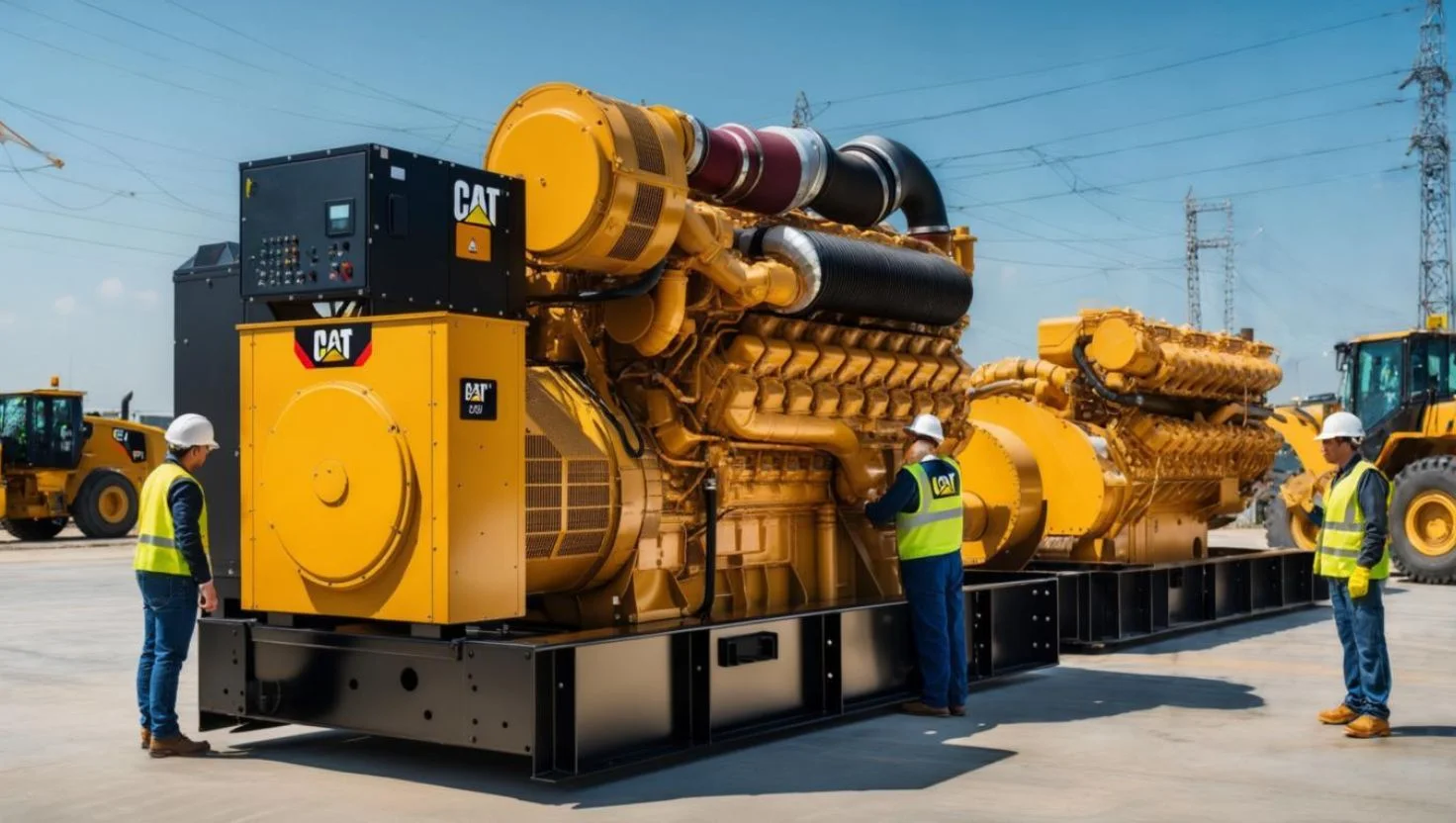
Gensets are engine-driven alternators that produce AC electricity. They range from small, portable units to massive systems supplying megawatts for industrial use.
Key specs include:
- Power output: From ~7 kVA to over 7,000 kVA.
- Fuel variants: Diesel, natural gas, biogas.
- Voltage quality: Built-in voltage regulation protects equipment.
High-end models (e.g., C175 20) even support multi-unit paralleled operation and utility grid integration.
Engines (Prime Movers)
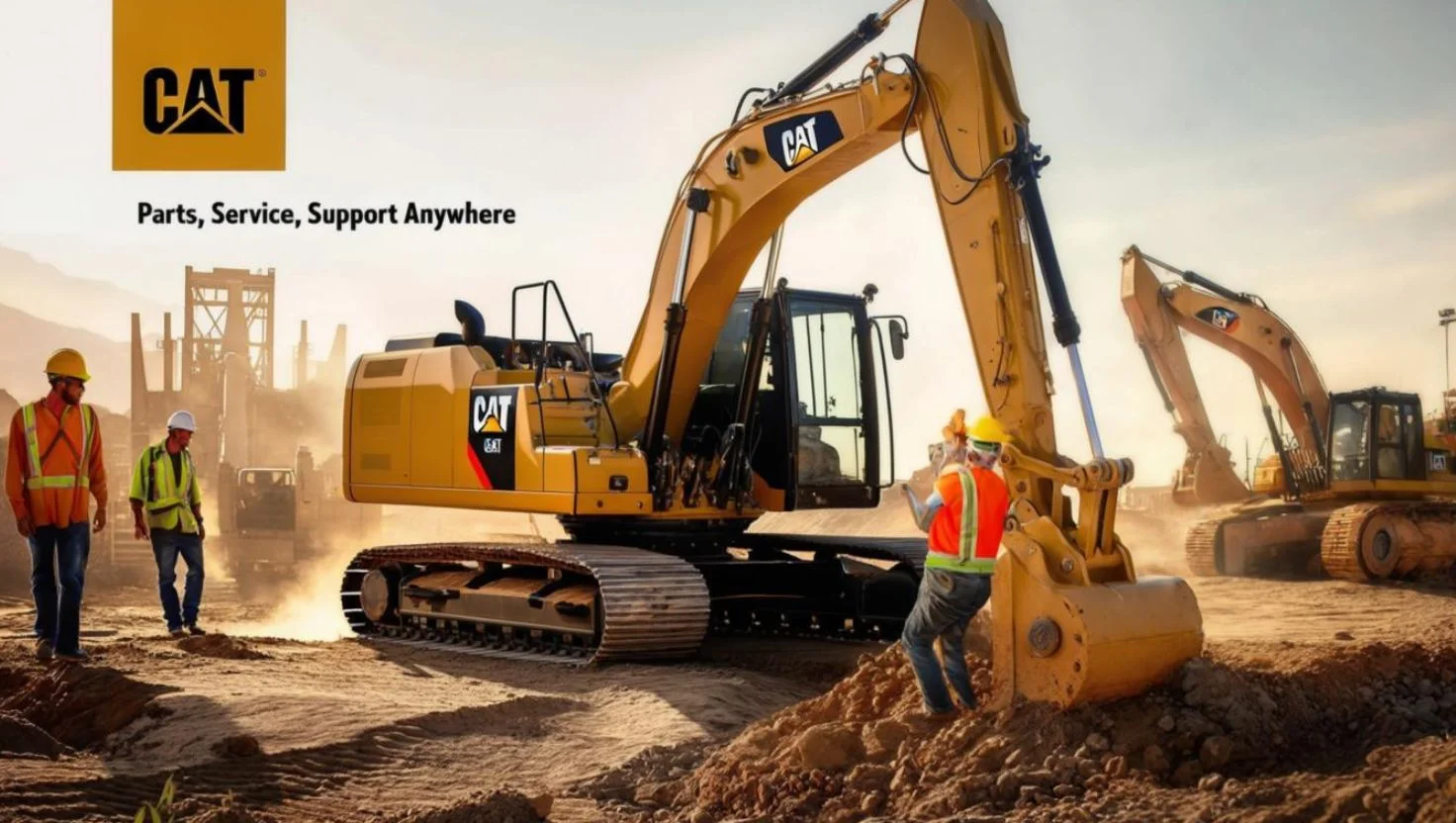
CAT builds heavy-duty diesel and gas engines used in gensets, construction machinery, marine vessels, and industrial systems. These engines power equipment like excavators and also industrial power plants.
Why Choose Caterpillar Power?
Reliability & Durability
CAT machines are built tough for extreme conditions industrial sites, remote areas, and outdoors. Their sturdy design ensures long service life.
Fuel Efficiency & Low Emissions
With improved combustion and advanced after-treatment systems, CAT generators deliver excellent efficiency while complying with global emission standards.
Scalable & Flexible
Whether powering your home, critical hospital systems, construction crew, or a factory, CAT has setups from small units (under 10 kVA) to large, centralized power plants.
Smart Controls & Monitoring
Modern CAT systems include digital suites with remote monitoring, diagnostics, load sharing, and auto-paralleling controls via EMCP systems.
Global Support & Parts Access
“Thanks to its wide dealer network, CAT makes it easy to get parts, service, and technical support no matter where you’re located.” Applications of Caterpillar Power:
- Emergency backup for hospitals, data centers, and telecom.
- Prime power at remote worksites (mining, oilfield camps).
- Construction site standby for cranes, site offices, and equipment.
- Industrial facilities need reliable main or supplemental power.
- Utility grid services include peak shaving, microgrids, and islanded systems.
How to Choose the Right CAT Generator?
Sizing Your System
Calculate the total watts needed plus a safety margin. Use tools like CAT’s Spec Sizer or 3-step sizing tools to match models.
Duty Type
- Standby/emergency: Only runs during outages.
- Prime: Runs regularly as main power.
- Continuous/baseload: 24/7 use, like a power plant.
Fuel Choice
- Diesel: widely available, reliable.
- Natural gas/biogas: cleaner with lower emissions.
Control & Integration
Decide if you need paralleling, load sharing, grid tie capabilities, or remote system management.
Physical Specs
Consider space, noise restrictions, and cooling. CAT offers sound-attenuated enclosures and compact units.
Budget & Lifecycle Costs
Factor in maintenance costs, fuel usage, parts, warranty, and dealer support.
Maintenance & Lifespan Tips
- Stick to scheduled oil, coolant, and filter changes.
- Check belts, hoses, and wiring regularly.
- Test under load to ensure reliability.
- Use CAT’s remote monitoring and diagnostics tools.
- Keep records of inspections, part changes, and service history.
Properly done, CAT gensets can run tens of thousands of hours often over 20 years in standby use.
Latest Innovations (2025)
- Digital upgrades: enhanced CMMS integration, IoT data streams.
- Cleaner tech: Tier 4 Final, Stage V emissions compliance.
- Hybrid power: Coupling gensets with solar or batteries for eco-efficient microgrids.
- Advanced control panels: EMCP 4.4 adds easy utility paralleling and load management.
Future Trends Shaping Caterpillar Power and Microgrids
Rise of Microgrids: Caterpillar power solutions are increasingly used in microgrids, combining traditional gensets with renewable energy for flexible, local power.
- Hybrid Systems: New CAT models integrate with solar panels and battery storage, reducing fuel use and emissions.
- Advanced Digital Controls: Smart monitoring tools allow remote diagnostics, predictive maintenance, and efficient load sharing.
- Cleaner Technologies: Caterpillar is developing lower-emission engines and exploring alternative fuels like biogas and hydrogen.
- Resilience & Decentralization: Businesses and communities use distributed Caterpillar power to ensure reliable energy, even during grid failures.
- Scalable Solutions: Modular CAT generators let users add capacity as demand grows, supporting dynamic energy needs.
FAQ
Q1. What does “kVA” mean?
kVA means kilovolt-amperes, which shows the apparent power. It’s slightly different from actual real power (kW), depending on load type.
Q2. Can CAT generators work with the utility grid?
Yes, models with paralleling capability can sync with grid power, enabling seamless transitions and peak shaving.
Q3. How long do CAT generators last?
With good care, they can serve 10–20 years or more. Lifespan depends on usage and maintenance.
Q4. Is a small CAT generator worth it at home?
Yes, units around 7–20 kVA offer safe backup power for homes or small businesses, though they run on fuel and need space.
Conclusion
Caterpillar power stands for rugged, efficient, and versatile power systems driven by the iconic CAT brand. From tiny portable generators to massive industrial power plants, CAT offers reliable options for every need. When choosing a Caterpillar system, size it properly, choose the right fuel and duty cycle, take advantage of smart integration, and follow a strong maintenance schedule. The result? Peace of mind with dependable, long-lasting power systems you can trust.