Table of Contents
Facing complexity in IT workflows or public bidding for demolition in Italy? SOA OS23 solves both. In IT, it’s a modern, modular architecture for building flexible, compliant, and event‑driven systems. In Italy’s construction sector, SOA OS23 is the official certification that enables companies to safely bid on public demolition projects. Many businesses experience cost savings of around 25% once they adopt such structured processes.
What Is SOA OS23?
SOA OS23 has two distinct, important meanings:
- Digital framework: A new generation of Service‑Oriented Architecture from 2023, designed for cloud-native systems with built-in compliance, real‑time orchestration, service registries, and zero‑trust security. This architecture supports REST/gRPC APIs, event‑based workflows, policy-as-code governance, and monitoring dashboards.
- Italian certification (OS 23 Demolition of Works): A formal qualification granted to companies in Italy under Presidential Decree 207/2010, Category OS 23, evidencing capability in industrial and structural demolition, with strict rules on technical ability, safety, financial stability, and environmental compliance.
Why It Matters
- For IT teams, adopting the digital side of SOA OS23 streamlines deployment, boosts modularity, simplifies compliance tracking, and lets services evolve independently.
- For demolition contractors, OS 23 certification is essential for accessing public contracts in Italy, demonstrating technical reliability and environmental stewardship, and increasing access to bids amidst tough public procurement standards.
Key Challenges of Adopting SOA OS23
1. Integration with Legacy Systems
Many businesses still use old systems built years ago. These systems can be hard to connect with new services under the SOA OS23. Incompatible interfaces or data formats slow down the migration.
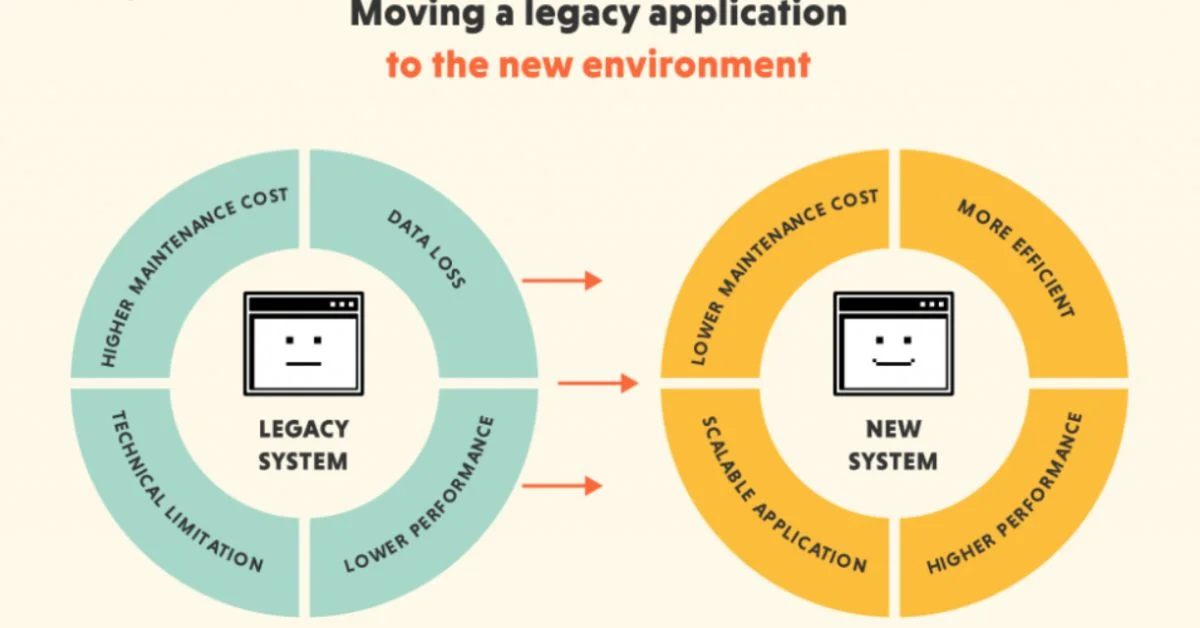
Tip: Start with a review of current systems to spot integration gaps. Use adapters or middleware tools. Plan small pilot connections before full rollout.
2. Governance and Service Management
SOA OS23 requires strong governance: rules for service design, ownership, versioning, monitoring, and security. Without it, services may go unmanaged, duplicated, or break other services.
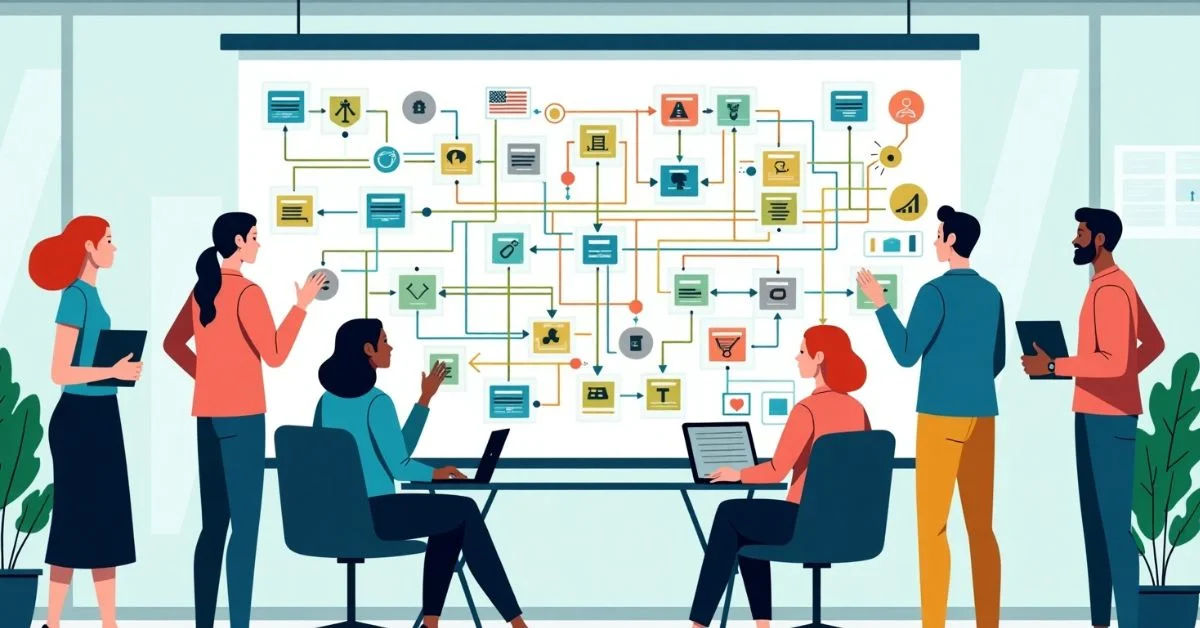
Tip: Establish a governance body early. Assign clear owners for each service. Create policies around using, updating, and deprecating services. Use a service registry or catalog.
3. Testing and Quality Assurance
Testing many interacting services is complex. There’s no uniform testing framework for SOA; it requires effort to test service interactions, versioning, and performance.

Tip: Build automated test suites, including performance tests, regression tests, and integration tests. Simulate downstream services and consumer workflows. Version your tests along with services.
4. Security and Data Governance
As services communicate across networks, new security risks appear. With open architectures, data must be encrypted, authenticated, and audited. SOA OS23 often includes built-in security standards, such as WS-Security, SAML, or policy modules.
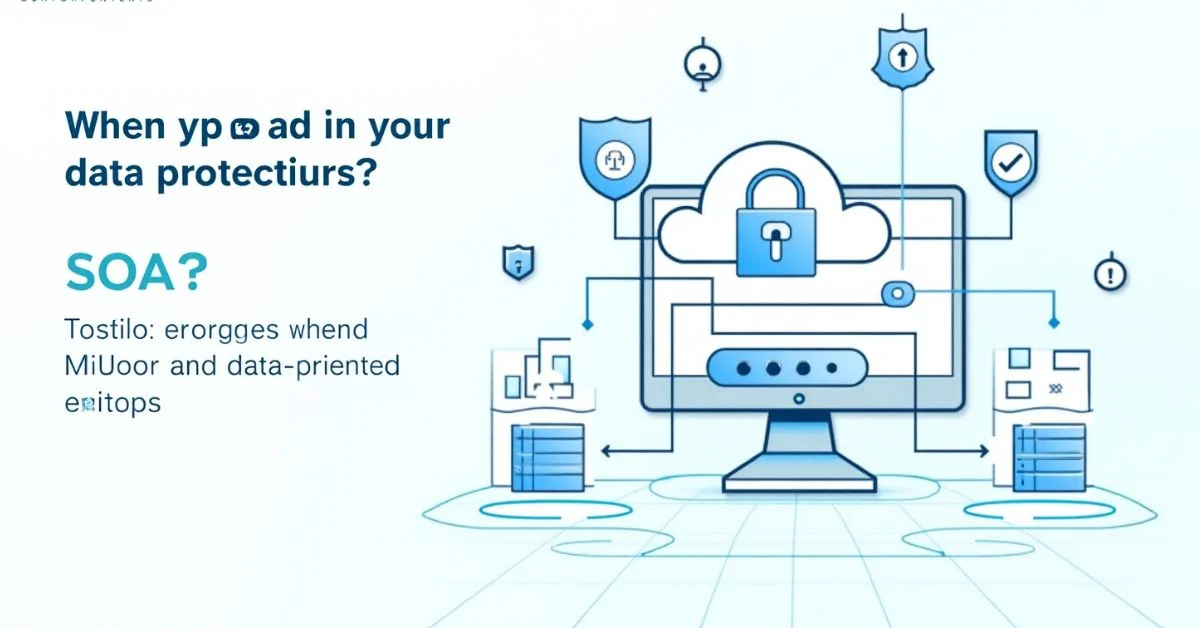
Tip: Adopt zero‑trust principles. Use strong encryption, token‑based authentication, and audit logs. Define security policies as part of service contracts.
5. Culture and People Resistance
Adopting SOA OS23 is not just a technology shift; it’s a cultural change. Teams used to monolithic development may resist working with service contracts and shared governance.

Tip: Communicate benefits. Provide training and coaching. Involve both leadership and development teams early. Offer hands‑on workshops or pilot projects to build confidence.
6. Complexity and Over‑Engineering
Sometimes teams go too far, creating too many fine‑grained services, over‑designing governance processes, or applying rules too rigidly. This defeats SOA’s flexibility goal.
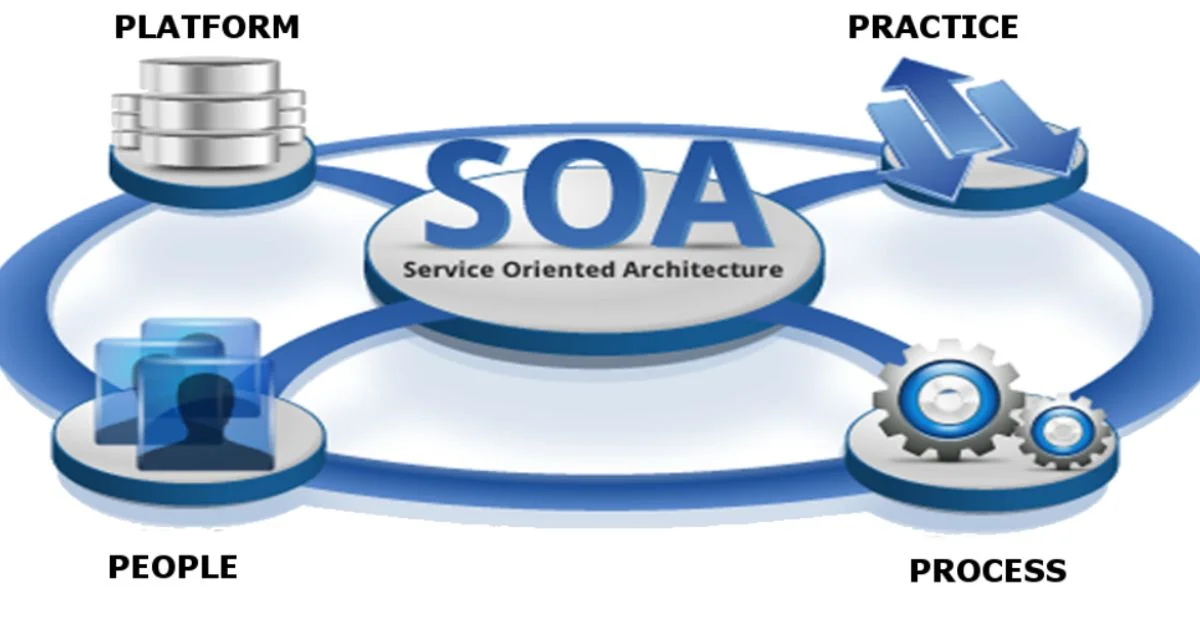
Tip: Keep services coarse‑grained and aligned with business functions. Follow a “meet‑in‑the‑middle” approach, balancing top-down planning with agile delivery and iteration.
7. Vendor / Platform Lock‑in
Choosing proprietary tools or platforms may limit flexibility and interoperability, thereby undoing the open standard intent of SOA OS23.
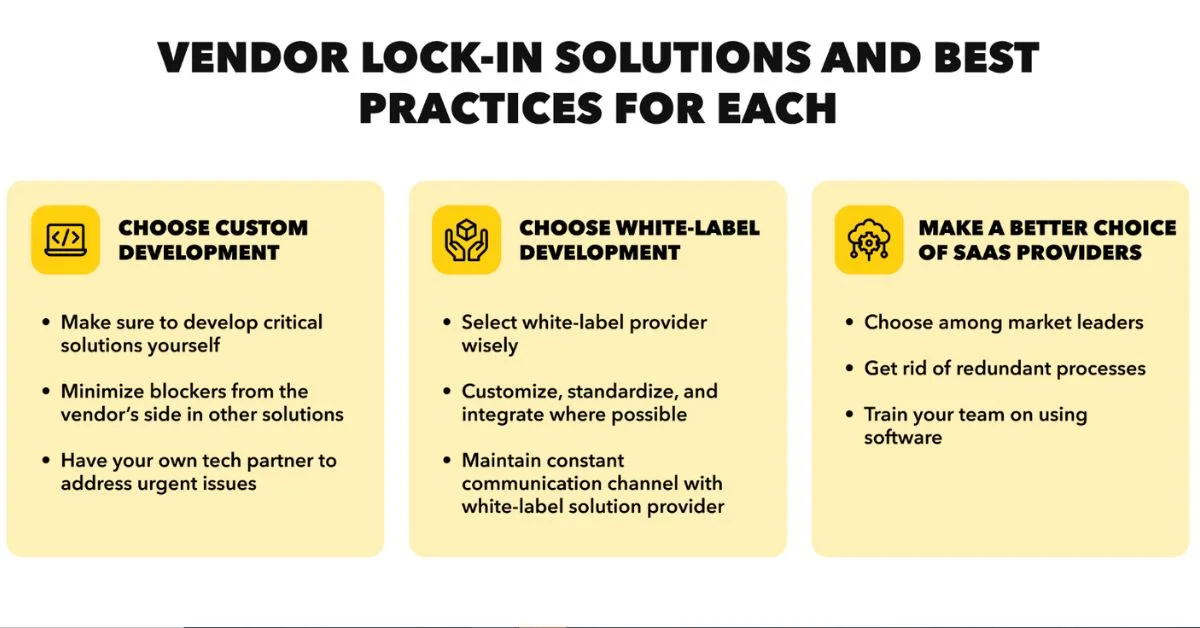
Tip: Prefer open standards and tools. Avoid vendor‑specific features unless truly needed. Ensure portability and avoid tight coupling to specific platforms.
8. Cost and Time Estimation
SOA implementation can be costly up front, including tools, training, governance, middleware, and skilled staffing adds expense. Estimating effort is harder than for traditional projects.
Tip: Use a phased rollout. Estimate cost per phase (pilot, expand, scale). Use divide‑and‑conquer frameworks for effort estimation. Track metrics and refine estimates over time.
How to Get SOA OS23 Certification?
- Submit documentation on legal standing, finances, past projects, workforce, and safety protocols.
- Pass technical and financial evaluation, plus on‑site inspections.
- Certification is valid for five years, with a mandatory check at the three-year mark for continued compliance.
Renewals require updated financial statements, proof of new demolition projects, and continued compliance records.
Expert Tips for Smooth Implementation
Below are expert recommendations in a clear bullet‑list format to guide teams through SOA OS23 adoption:
- Start small with a pilot project: choose a well‑scoped business function to implement SOA OS23 and learn from it.
- Phased rollout: move gradually from pilot to multiple services rather than a big‑bang implementation.
- Governance from day one: registry, ownership, service lifecycle, version control, and policies must be in place early.
- Invest in training: educate both business and IT teams on SOA principles, tools, and benefits.
- Use open standards: avoid vendor lock‑in, prefer widely adopted protocols and tools.
- Build automated testing: integration, performance, versioning, and regression tests for each service.
- Design services with care: avoid too many tiny services; group logically to reflect business functions.
- Secure everything: authentication, encryption, access policies, audit logs, and compliance checks built in.
- Reuse and normalize services: avoid duplicate service functions; refactor to centralize shared logic
- Align business and IT: governance processes need involvement from both to succeed.
- Monitor performance and operations: continuously measure service availability, latency, and usage.
- Iterate and refine: learn from each phase, adapt your architecture and governance as you scale.
Common Pitfalls & How to Overcome Them
| Challenge | Solution |
|---|---|
| Learning new systems & workflows | Provide clear training and pilots |
| Over-fragmenting services or tasks | Organize services around business functions, not too small |
| Risk of vendor dependency | Use open standards and avoid exclusive tools |
| High upfront costs | Phase the adoption and build ROI models |
| Gaps in documentation or audits | Use checklists and engage SOA-experienced consultants |
| Certification lapses or expiry | Track renewal dates early and maintain clean records |
Detailed Explanation Section by Section
1. Legacy Integration Strategies
When you examine your current IT systems, identify integration points. Use adapters or ESBs (Enterprise Service Bus) to connect old systems to new SOA OS23 services. A pilot integration with minimal scope helps validate patterns and tools before wider use. Keep data mapping consistent and test data formats early.
2. Governance Framework Essentials
Governance ensures services stay consistent, secure, and reusable. A service registry or catalog helps teams discover and reuse existing services. Assign each service a clear owner and lifecycle plan. Governance policies cover service contracts, naming, versioning, compliance, and deprecation. This minimizes chaos and duplication.
3. Testing at Scale
Automated testing is critical. For each service: unit tests, contract tests, integration workflows, load tests, and regression suites. Use mocks or stubs to test downstream systems. Version tests along with services. Build CI/CD pipelines that enforce quality gates before rollout.
4. Security Architecture
Modern SOA OS23 frameworks embed security via standards like WS‑Security, SAML, encryption, token‑based auth, and policies. Implement zero‑trust: Every service must prove identity. Use end‑to‑end encryption and audit logs. Include compliance enforcement (e.g., data masking, role‑based access).
5. Managing Change and Culture
Transitioning from monoliths to services requires change management. Communicate why SOA OS23 matters: faster time‑to‑market, flexibility, reuse, and lower cost over time. Offer training sessions, workshops, and pilot projects. Get both business and tech leadership on board, so decisions and funding align.
6. Avoiding Over‑Engineering
Keep services business‑oriented and coarse‑grained. Resist creating hundreds of micro‑APIs for small functions. Follow normalization: identify shared logic and centralize rather than duplicate services.
7. Cost Tracking and Estimation
Because adoption involves new tools, governance, training, integration, and testing infrastructure, costs can escalate. Estimate in phases. Use frameworks like divide‑and‑conquer estimation to break down costs per service, per team
Track actual vs. estimated costs and refine modeling over time.
Emerging Trends & Tools
- Sustainability is central: Certified companies now must recycle debris, manage hazardous waste, and deploy low-emission machinery.
- Digital tools play a growing role: BIM and GIS support site planning, environmental risk analysis, and streamlined approvals.
- AI-powered tools help monitor equipment wear, predict safety hazards, and handle digital credential submissions and renewals.
Real‑World Use Cases
- Fintech firm: adopted SOA OS23 digital standards, improved transaction speed by 40%, reduced security issues, and saved €2 million annually.
- Hospital network: unified patient data flows across systems, increased data access by 35%, and met HIPAA/GDPR controls.
- Italian contractor: obtained OS 23 certification and won a €5 million urban redevelopment tender; achieved 20% waste reduction and raised safety standards.
- Logistics company: integrated IoT tracking using SOA architecture, delivery delays dropped by 15%, and operational visibility increased significantly.
Conclusion
Adopting SOA OS23 is more than just a technology upgrade; it’s a complete shift in how an organization designs, manages, and delivers digital services. While the journey comes with real challenges like legacy integration, governance, security concerns, testing difficulties, and cultural resistance, each hurdle can be tackled with the right strategy.