Table of Contents
- What Is the Global Billionaires List?
- Highlights from the 2025 Billionaire List
- Who Are the Top 5 Billionaires in 2025?
- New Billionaires in 2025
- Fastest Growing Industries for Billionaires
- Billionaires by Region in 2025
- How is the List Made?
- Why People Follow the Billionaire List
- Are There Any Billionaire Women?
- Conclusion
Every year, people across the world wait to see who made it to the billionaire list. The global billionaires 2025 list is now out, and it’s full of exciting changes, unexpected new faces, and record-breaking fortunes. This article breaks down the key highlights, trends, and what these names tell us about where the world is heading.
What Is the Global Billionaires List?
The global billionaires list is a yearly ranking of the world’s wealthiest people. It is usually published by big media companies like Forbes and Bloomberg. These lists include names, total net worth, main sources of income, and sometimes personal stories or business history.
In 2025, the billionaire list shows major shifts due to global tech growth, AI development, green energy investments, and even changes in entertainment and fashion.
Highlights from the 2025 Billionaire List
Here are some of the biggest takeaways from this year’s updated list:
- Top spot taken by a tech titan once again, showing the power of innovation
- Big rise in Asian billionaires, especially from India, China, and Southeast Asia
- Green energy investors have seen huge profits and moved up the list
- Several new faces under age 30, thanks to digital businesses and apps
- Old family names from oil, real estate, and luxury goods still hold their ground
Who Are the Top 5 Billionaires in 2025?
Let’s take a look at the richest people in the world as of 2025 and what they do:
1. Elon Musk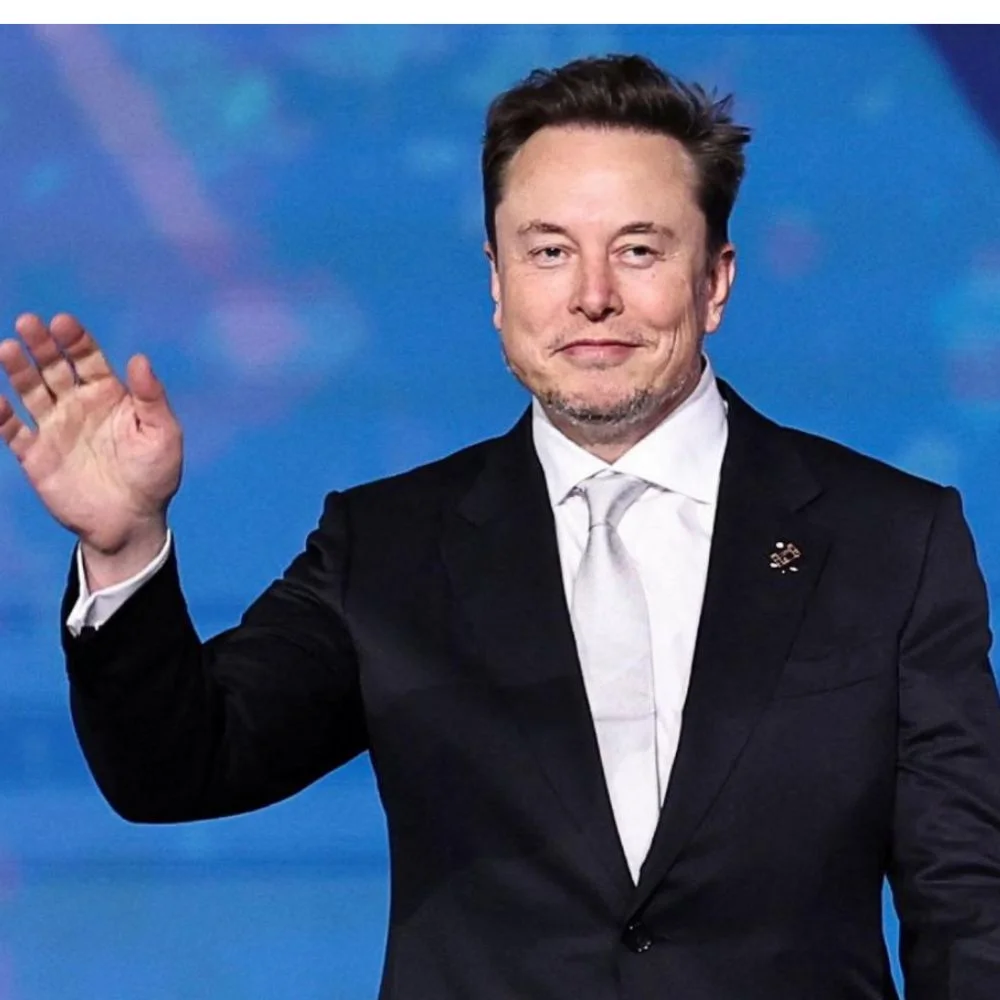
Net Worth: $270 billion
Main Source: Tesla, SpaceX, AI Ventures
Elon Musk remains on top with strong investments in space tech and AI tools. His influence continues to grow as the world moves toward electric vehicles and autonomous systems.
2. Bernard Arnault & Family
Net Worth: $225 billion
Main Source: LVMH (Luxury goods)
The luxury industry is still booming, and Arnault’s empire of brands like Louis Vuitton and Dior keeps him among the richest.
3. Jeff Bezos
Net Worth: $200 billion
Main Source: Amazon, Blue Origin
Though no longer Amazon’s CEO, Bezos gains from shares and his new focus on space tourism and investments.
4. Gautam Adani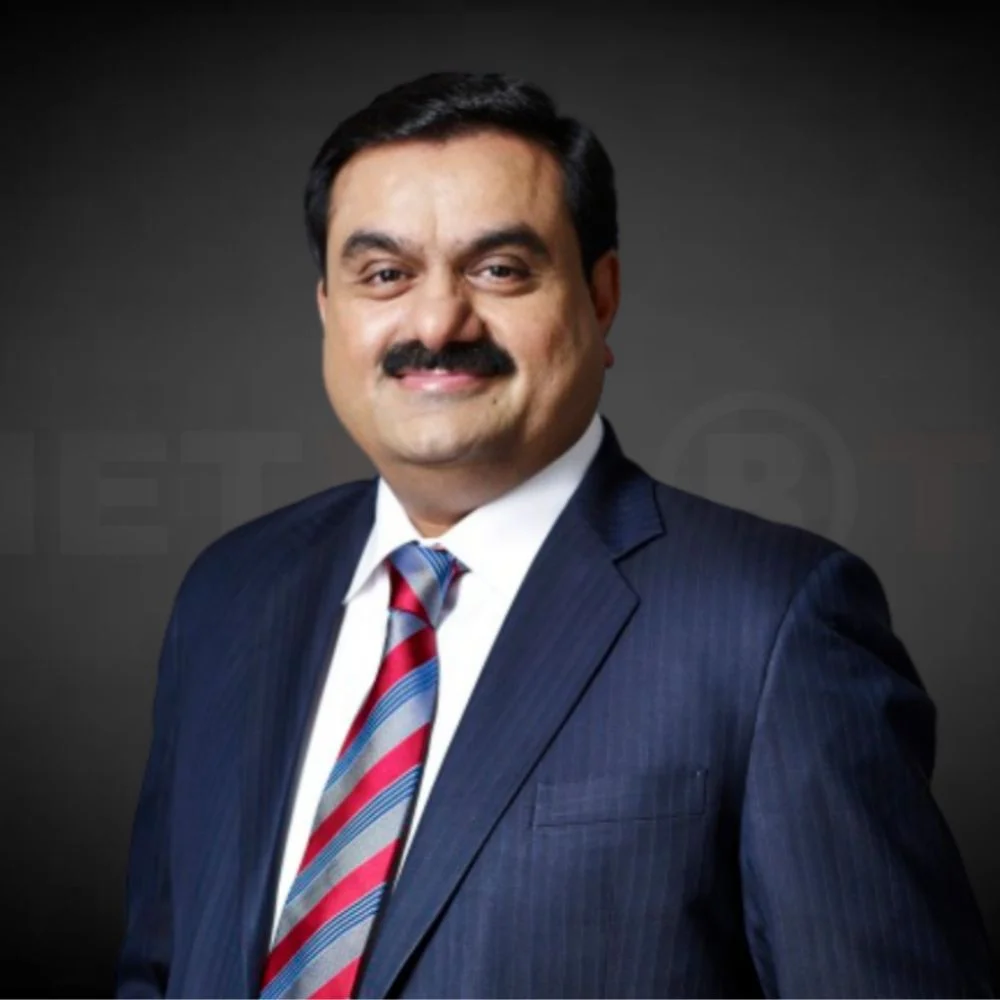
Net Worth: $155 billion
Main Source: Infrastructure, Energy
With a strong base in renewable energy and logistics, Adani has bounced back and climbed higher than before.
5. Zhang Yiming
Net Worth: $138 billion
Main Source: ByteDance (TikTok)
The founder of ByteDance has gained attention globally as TikTok remains a major global platform.
New Billionaires in 2025
Each year, we see new people enter the billionaire club. In 2025, many of them will come from tech, biotech, and AI-related industries. Some even started businesses during or after the pandemic.
Here are a few standout new billionaires:
- Lana Kim, an AI-powered education app founder from South Korea.
- Javier Torres is, crypto wallet innovator from Spain.
- Noah Patel, EV battery tech expert from the USA.
- Mei Ling Tan is, fashion and lifestyle influencer turned e-commerce empire builder.
Fastest Growing Industries for Billionaires
In the past, billionaires came from oil, real estate, or large family businesses. But in 2025, things are changing fast. Here are the fastest-growing industries making billionaires now:
- AI and Automation: AI tools are everywhere now, from writing apps to smart cars.
- Green Energy: Solar, wind, and electric transport are booming.
- Health Tech: Startups that focus on remote care, gene therapy, and biotech.
- Content Creation: YouTubers, streamers, and influencers with brand deals and products.
- E-Commerce: Online shopping platforms continue to grow, especially niche and fast-delivery options.
Billionaires by Region in 2025
Here’s how different regions performed in this year’s billionaire list:
1. North America
Still leads the list, especially due to tech companies and Wall Street. Many billionaires come from the U.S., especially California and New York.
2. Asia
The fastest growth was seen here. India, China, and even countries like Vietnam and Indonesia saw a jump in billionaires.
3. Europe
Luxury brands and fintech remain strong. New names are rising from Eastern Europe and Germany’s tech sector.
4. Middle East
Energy investments, AI startups, and royal family wealth added new names.
5. Africa
Still fewer in number, but several billionaires are growing in sectors like fintech, fashion, and real estate.
How is the List Made?
These lists are usually made with public company stock info, private holdings, and expert estimates. It’s not always exact, but it gives a close idea of who holds the biggest wealth at the moment. Here’s what’s considered:
- Company shares and market value
- Real estate and personal assets
- Investments in startups or private businesses
- Art collections and luxury items (rarely included unless sold)
Why People Follow the Billionaire List
It’s not just about money. People want to learn from those who succeed. The list helps spot:
- Trends in business and what industries to watch
- Investment ideas that work globally
- Motivational stories of people who started with nothing
- Global shifts in power, influence, and innovation
Are There Any Billionaire Women?
Yes! The 2025 list includes more women than before. Some inherited their wealth, while others built businesses from scratch.
Notable names:
- Francoise Bettencourt Meyers – L’Oréal heir, still among the richest women.
- Rihanna – Music and beauty empire, continues to grow in wealth.
- Melanie Perkins, Canva co-founder, leads the design software industry.
- Zhou Qunfei – Lens Technology in China, growing with the mobile market.
Conclusion
The global billionaires 2025 list is not just a scoreboard of wealth. It’s a window into the world’s most successful industries, boldest ideas, and smartest minds. Whether you admire them or not, these billionaires help shape our economy, technology, and even culture.