
Table of Contents
- Know Your Skin Type
- The Basic Daily Routine
- Customize by Skin Type
- Detailed Daily and Weekly Routine
- Weekly Extras for Clear Skin
- Lifestyle Habits that Support Your Routine
- Track Your Progress
- When to See a Dermatologist?
- Stick with It & Adjust
- Signs It’s Working (or Not)
- Track Your Progress
- Quick Skip Chart:
- Bonus Tip: Minimalist vs.
- Conclusion
Everyone wants clear, glowing skin that feels healthy and fresh. But not every face is the same; oily skin needs different care than dry or sensitive skin. In this guide, you’ll learn a simple daily routine you can follow to get clear, radiant skin. No jargon, no fluff. Just what works.
Know Your Skin Type
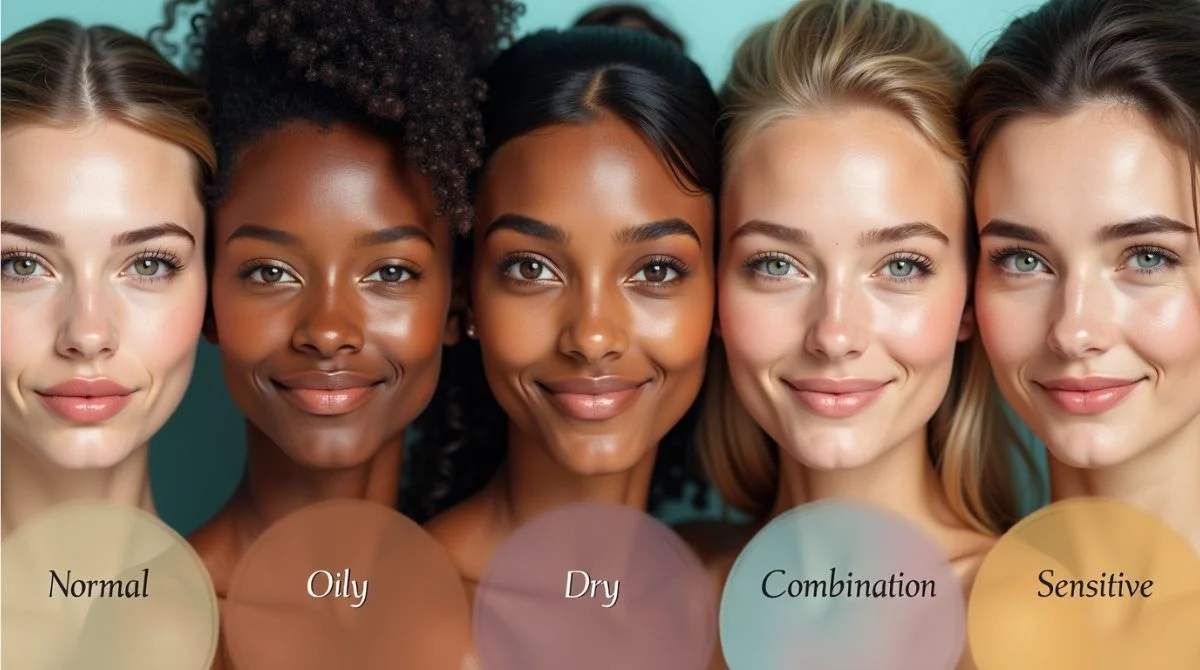
Before picking products, figure out if your skin is:
- Normal: Not too oily or dry.
- Oily: Shiny T-zone, frequent breakout
- Dry: Tight, flaky, less elastic.
- Combination: Oily in some areas, dry in others.
- Sensitive: Easily irritated or red.
You can figure this out by cleansing your face, and then waiting an hour. If your skin feels tight, it’s likely dry. Shiny, oily. Both combinations. Redness or pain is sensitive.
The Basic Daily Routine
A strong foundation for clear skincare includes:
- Cleanser.
- Optional Toner/Serum/Spot treatment.
- Moisturizer.
- Sunscreen (AM only).
Customize by Skin Type
Normal Skin
- Deep cleansing: Gentle foaming cleanser.
- Serum: Hydrating vitamin C for glow.
- Moisturizer: Light cream.
- Sun protection: SPF 30+ broad spectrum.
Oily/Acne Prone Skin
- Cleanser: Gel-based with salicylic acid.
- Spot treatment: Salicylic or benzoyl peroxide as needed.
- Serum: Niacinamide to control oil.
- Moisturizer: Oil-free, non-comedogenic.
- Sunscreen: Gel/mineral type.
Dry Skin
- Cleansing: Creamy, non-foaming cleanser.
- Serum: Hyaluronic acid for hydration.
- Moisturizer: Rich with ceramides or glycerin.
- Sunscreen: Moisturizing SPF (tinted or cream-based).
Combination Skin
- Cleansing: Balanced, gentle cleanser.
- Zone Approach: T zone: salicylic toner.
- Serum: Lightweight niacinamide.
- Moisturizer: Medium-weight lotion.
- Sunscreen: Broad spectrum SPF.
Sensitive Skin
- Cleanser: Fragrance-free, ultra-gentle.
- Serum: Niacinamide or ceramide-based.
- Moisturizer: Minimal irritants, patch test first.
- Sunscreen: Mineral (zinc/titanium) and unscented.

Detailed Daily and Weekly Routine
Morning Routine
- Cleanser: Use a gentle, non-comedogenic formula.
- Toner/Serum: (Optional) light toner; then serum: vitamin C, niacinamide, or hydrating boosters.
- Moisturizer: Light layers for balance.
- Sunscreen: SPF30+, reapply if outdoors.
Evening Routine
- Cleanser: Try double cleanse (oil then water) if wearing makeup or sunscreen.
- Toner/Spot Treatment: Optional; choose a gentle exfoliant 1–3× a week (AHA/BHA).
- Serum Options: retinoids, peptides, AHAs, hyaluronic acid.
- Moisturizer: Richer than AM moisturizer.
- Treatments: Retinoids or actives applied before moisturizer if needed (2–3× per week).
Weekly Extras for Clear Skin
- Exfoliation: 3× weekly with mild AHA/BHA based on skin type.
- Face Mask: Clay mask for oily skin; hydrating mask for dry skin.
- Patch Masks: Try hydrocolloid spots at night for blemishes.
Lifestyle Habits that Support Your Routine
- Change pillowcases weekly, and clean phone screens often to reduce the transfer of bacteria.
- Avoid touching your face and keep your hair away from your forehead.
- Eat balanced, low-sugar food, drink water, and get enough sleep.
- Managing stress impacts hormones and breakouts.
Track Your Progress
Keep a skincare journal or use a skincare tracking app. Log your daily routine, how your skin feels, and any breakouts or changes. Over time, this helps you spot patterns, such as reactions to products or foods. It also shows what truly works for you, making it easier to refine your routine with confidence.
When to See a Dermatologist?
If you’ve followed a consistent routine for 8–12 weeks and still struggle with acne, redness, or irritation, it may be time to consult a dermatologist. Medical treatments like prescription retinoids, antibiotics, or hormonal therapy can help when over-the-counter options aren’t enough. A dermatologist can tailor advice based on your unique skin type and condition.

Stick with It & Adjust
Clear, glowing skin takes time. You’ll see results in 4,6 weeks, about one skin cycle. Keep a journal of what works, and adjust gently with seasons or the skin’s response.
Signs It’s Working (or Not)
- Fewer breakouts and blackheads.
- Skin feels smooth, soft, and balanced, not dry or oily.
- Hydration lasts all day.
- Itchy, tight, red, or peeling skin simplifies or reduces the active ingredients.
- Pilling products are reacting, applying thinner to thicker, and waiting between layers.
Track Your Progress
Keep a skincare journal or use a skincare tracking app. Log your daily routine, how your skin feels, and any breakouts or changes. Over time, this helps you spot patterns,
Quick Skip Chart:
| Concern | Morning | Evening | Weekly/As Needed |
| Oily/Acne | Foaming cleanser, SPF | BHA spot cream, gel moisturizer | Clay mask 1×/week, exfoliate 2×/week |
| Dry | Cream cleanser, hyaluronic serum, moisturizer | Same + richer moisturizer | Hydrating mask 1–2×/week |
| Combination | A gentle cleanser, niacinamide serum | Balanced moisturizer | Targeted exfoliation on the T-zone |
| Sensitive | Fragrance-free cleanser, serum, mineral SPF | Same + minimalist moisturizer | Patch test new products |
Bonus Tip: Minimalist vs.
Simple is effective, but occasional high-tech drops like LED masks or red-light therapy can help skin calm and heal faster, but don’t skip the basics.
Conclusion
Clear skin care starts with knowing your skin and sticking to a routine that suits your needs. Choose the right treatments, build healthy habits, and adapt to the seasons. Track your results and don’t be afraid to ask for expert advice if needed. Clear, glowing skin is a journey, not a one-day fix. Let me know if you want help picking products or planning a 30-day routine.