
Table of Contents
In today’s fast-moving digital world, customers want quick answers, easy solutions, and friendly support. No one likes to wait in long call queues or write emails only to get a reply days later. This is where AI chatbots come in. These smart virtual assistants help businesses talk to customers in real time, answer questions, solve problems, and make the whole experience smoother. Using AI chatbots is no longer a tech trend; it’s a must for companies that want to keep their customers happy and loyal.
What is an AI Chatbot?
An AI chatbot is a computer program that can talk to people through text or voice. Unlike basic bots that only give fixed replies, AI chatbots use artificial intelligence and natural language processing (NLP) to understand what the user is saying and respond in a human-like way. You may have already chatted with one on a website or inside a shopping app, asking about product details or delivery updates.
Why AI Chatbots Matter for Customer Experience?
The customer experience is everything that a customer feels and goes through when interacting with a company. A good experience means faster service, personalized support, and helpful conversations. AI chatbots help companies offer all this without needing a big customer support team.
Here’s how AI chatbots improve customer experience:
1. Instant Replies
Customers don’t like waiting. AI chatbots can respond in seconds, no matter what time of day it is. They are fast, always available, and can handle many customers at once.
2. 24/7 Customer Support
Unlike human agents who work set hours, chatbots never sleep. They can offer help even on weekends and holidays. This means customers can always get answers, even late at night.
3. Personalized Conversations
Modern chatbots can remember past conversations and use customer data to give personal replies. For example, they might greet users by name or recommend products based on past purchases.
4. Reduce Human Workload
Chatbots can take care of common tasks like:
- Answering FAQs
- Tracking orders
- Booking appointments
- Giving product suggestions
This allows human agents to focus on more complex issues that need emotional understanding or creative problem-solving.
5. Support Across Platforms
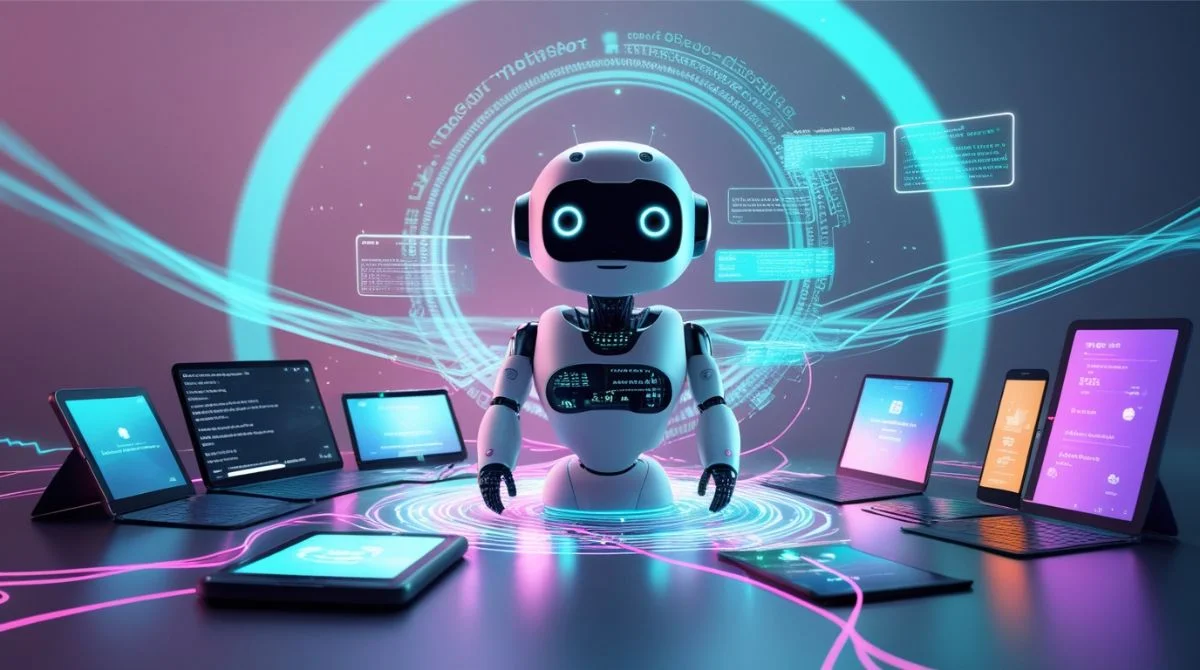
AI chatbots can work on websites, mobile apps, social media platforms like Facebook Messenger, Instagram, WhatsApp, and even email. This means customers can get help from wherever they are.
Real-Life Examples of Chatbot Success
Many global brands have already started using chatbots to improve how they serve customers. Let’s look at a few examples:
- Sephora uses chatbots to help users pick beauty products based on skin type and preferences.
- Domino’s Pizza allows customers to order food directly through a chatbot without needing to visit the website.
- H&M provides fashion advice and outfit suggestions via chatbots based on the user’s style.
- Airlines like KLM use AI bots to send flight updates, check-in reminders, and boarding passes.
These brands have seen faster service times, higher customer satisfaction, and even increased sales just by using smart AI chatbots.
How Businesses Can Start Using AI Chatbots?
You don’t need to be a big company to use chatbots. Even small businesses can add them to their websites or social pages. Here are the steps to get started:
1. Pick the Right Chatbot Platform
Some popular chatbot platforms include:
- Chatfuel
- Tidio
- Drift
- ManyChat
- Zendesk Answer Bot
These tools are easy to set up and don’t always require coding skills.
2. Decide the Goals
What do you want the chatbot to do? Common goals include:
- Helping customers find products
- Booking appointments
- Answering FAQs
- Collecting feedback
Clear goals help you build a chatbot that adds value.
3. Train the Chatbot
The bot needs to understand what people are saying. Use real customer questions and answers to train it. You can also include keywords, common phrases, and different ways of asking the same thing.
4. Test Before Launching
Before going live, test the chatbot with your team. Make sure it works smoothly and gives the right answers. Look out for errors, missed replies, or confusing messages.
5. Keep Improving
After launching, track how the chatbot performs. Check:
- How many people are using it
- What questions are being asked most
- Whether it’s solving issues or not
- Update the chatbot regularly to improve its performance.
Benefits of AI Chatbots for Businesses
Besides better customer experience, AI chatbots offer several business benefits:
- Save Money: You don’t need to hire as many customer service agents.
- Handle High Traffic: During sales or holidays, bots can handle thousands of chats at once.
- Collect Data: Chatbots can collect useful customer data like preferences, shopping behavior, and feedback.
- Boost Sales: By giving the right information at the right time, bots can guide customers to make a purchase.
The Human Touch Still Matters
Even though chatbots are powerful, they can’t fully replace human support. Some problems need empathy, patience, or creative thinking. The best setup is a balance between AI and humans. Let chatbots handle simple tasks and let trained agents step in for complex or emotional issues.
Future of AI Chatbots
AI chatbots are getting smarter every day. In the future, we can expect:
- More natural conversations
- Voice-based chatbots like Alexa or Siri for businesses
- Bots that speak multiple languages fluently
- Integration with smart devices and personalized customer journeys
As AI improves, chatbots will become even more helpful and feel more human.
Conclusion
AI chatbots are changing the way businesses talk to customers. They offer fast, round-the-clock, and personalized support while saving time and money. Whether you’re running a small business or a large company, adding an AI chatbot can greatly improve your customer experience. The key is to start simple, stay focused on customer needs, and keep learning from every conversation.