
Table of Contents
- When and where did it happen?
- What prompted the emergency?
- Why London Heathrow?
- What happens during an emergency diversion?
- How did the crew and passengers react?
- What about technical checks?
- Passenger care and next steps
- Was this dangerous or normal?
- What does squawk 7700 mean?
- What can travelers learn?
- Why aviation remains safe
- The bigger picture
- Final Takeaways
- Pilot Actions:
- Passenger Experience:
- Emergency Landing Preparations:
- United Airlines Customer Support:
- Key Learnings for Passengers
- conclusion
United Airlines Flight UA770 made headlines in 2025 when the crew declared an emergency mid-air and diverted the Boeing 7879 Dreamliner originally bound for Chicago to land instead at London Heathrow. Here’s a clear, user-friendly explanation of what happened, why it matters, and what travelers can learn.
When and where did it happen?
- Date: May 27, 2025
- Route: Barcelona (BCN) → Chicago O’Hare (ORD)
- Aircraft: Boeing 787 9 Dreamliner, tail number N26902.
- Diversion Airport: London Heathrow (LHR).
The flight was cruising around 37,000 ft when pilots detected a serious issue.
What prompted the emergency?
The crew squawked 7700, the universal transponder signal for a general emergency. This alerts all nearby air traffic controllers and gives the flight priority. Reports suggest the team noticed a system anomaly, most likely with cabin pressurization or related onboard systems, as early as 90 minutes into the flight.
Why London Heathrow?
Heathrow was the nearest well-equipped airport, with extensive emergency infrastructure and United Airlines support. ATC cleared the flight to land safely, enabling emergency crews and maintenance teams to mobilize immediately.
What happens during an emergency diversion?
Once an issue arises:
- Pilots assess and declare an emergency.
- They squawk 7700 and notify ATC.
- ATC provides a quick route to the safest airport.
- Cabin crew prepares passengers, lights dim, seatbelts tightened.
- Fire, rescue, and medical teams are on standby.
- The plane lands and taxis to a stand for immediate checks.
How did the crew and passengers react?
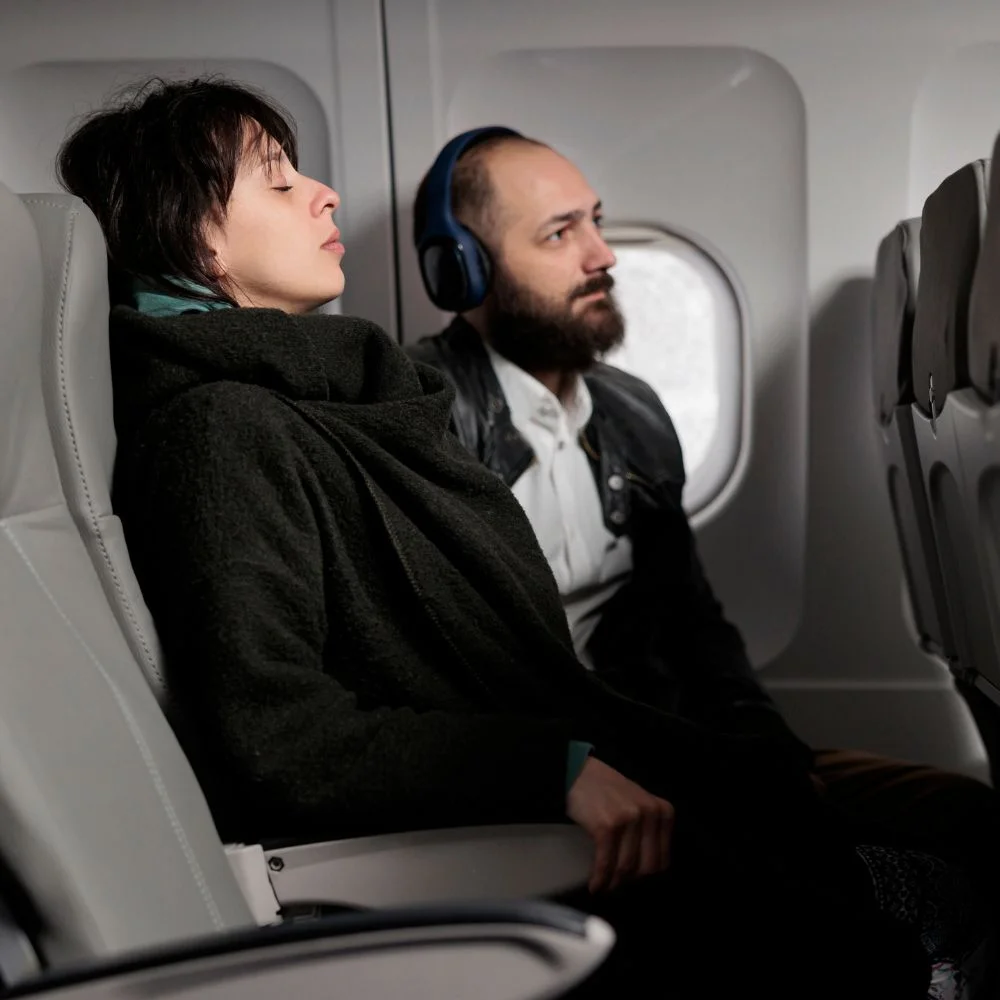
Crew remained calm and professional, keeping announcements clear and reassuring. Passengers described a tense yet composed atmosphere, noting protocol was followed smoothly: no oxygen masks deployed, no injuries, and medical teams were ready but not needed.
What about technical checks?
After touching down around 16:55 BST, engineers checked the airframe, engines, hydraulics, pressurization, and avionics. Pilots filed a detailed incident report, and regulators like the FAA and UK AAIB were informed. The aircraft stayed grounded until all checks were complete.
Passenger care and next steps
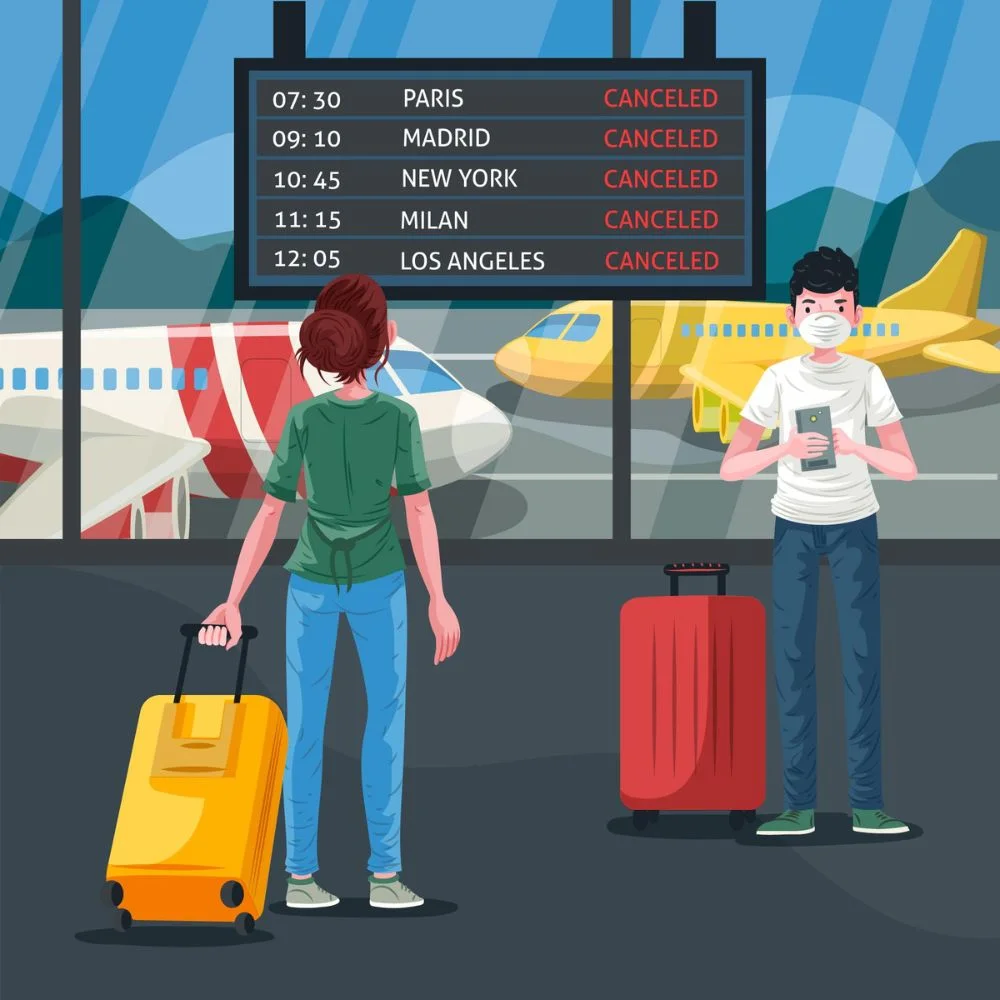
United Airlines assisted passengers by providing rebooked flights, meal vouchers, hotel stays, and transport. Official statements emphasized that safety is the top priority. Post-landing, travelers were calmly redirected to their destinations.
Was this dangerous or normal?
Emergency diversions in aviation are made primarily for safety and don’t mean a system failure. They often occur due to technical alerts, unexpected weather conditions, or sudden medical issues. Additionally, such diversions highlight the aviation industry’s ongoing commitment to passenger and crew safety. Consequently, they serve as clear evidence that safety systems, protocols, and crew training are functioning exactly as intended.UA770 is a clear example of protocols being followed effectively.
What does squawk 7700 mean?
Squawk 7700 shows up on ATC radar and alerts controllers globally within range. It allows pilots to receive high-priority landing, cleared routes, and ground assistance. UA770 was swiftly routed and landed without incident.
What can travelers learn?
- Always follow crew instructionsthey’re trained for emergencies.
- Keep essential items (ID, medication, electronics) in a carry-on.
- Please keep in mind that diversions are a precautionary measure and occur infrequently, but they are managed with great care.
- Trust the system from aircraft design to global coordination.
Why aviation remains safe
- Aircraft redundancy: Multiple backup systems in engines, hydraulics, and electronics.
- Crew training: Regular simulator sessions for emergency scenarios.
- Coordination: Airlines, airports, and ATC teams work across borders seamlessly.
- Technology: Fly-by-wire, health-monitoring systems, and ADS-B tracking support safe decision-making and public awareness.
The bigger picture
This incident reinforces how aviation prioritizes passenger safety above schedules. UA770’s case showed professional handling at every stage from alert to landing to post-event care, a reassurance that complex systems and human training work in harmony.
Final Takeaways
| Topic | Summary |
| Safety Protocols | UA770’s diversion shows that aviation alarms trigger trained responses |
| Crew and ATC Response | Calm, coordinated, and professional handling of air emergencies |
| Aircraft Equipment | Boeing 787 systems are designed with strong safety redundancies |
| Passenger Experience | Clear communication and care from airline staff during diversions |
| Aviation Ecosystem | Airlines, regulators, and airports work together globally |
Pilot Actions:
- Followed FAA standard emergency procedure.
- Requested priority clearance.
- Communicated clearly with ATC and cabin crew.
- Managed a smooth and stable descent to LHR
Passenger Experience:
- Notably, no panic was reported during the descent
- Cabin lights were dimmed, and the crew gave safety announcements.
- All passengers remained seated and followed instructions.
- After landing, passengers were updated and supported by United staff.
Emergency Landing Preparations:
- Fire and rescue teams were deployed at LHR before landing.
- Airport emergency systems were placed on alert.
- The aircraft landed safely on Runway 27R with no mechanical failure at touchdown.
- Post-landing inspection occurred immediately.
United Airlines Customer Support:
- Rebooking on alternative flights is provided.
- Overnight hotel accommodation where necessary.
- Vouchers for meals and communication are offered.
- Dedicated ground staff handled passenger queries.
Key Learnings for Passengers
- Enable flight alerts Sign up for airline text/email updates.
- Keep earphones out during safety announcements.
- Store valuables in your item, not the overhead bin.
- It is essential to wear shoes during takeoff and landing, as they can be crucial in emergencies.
- Stay calm and wait for crew directions: if any situation arises.
conclusion
UA770’s emergency diversion was handled efficiently and with care. Modern planes, trained crews, and global networks turned a potentially concerning event into a successful safety outcome. Thankfully, no injuries occurred. In addition, all safety systems were activated as designed, proving that aviation protocols work seamlessly in critical moments.