Table of Contents
- 1. Vatnajokull National Park
- 2. Jökulsárlón Glacier Lagoon
- 3. Gullfoss & the Geysir Area (Golden Circle)
- 4. Þingvellir (Thingvellir) National Park
- 5. Skógafoss & Seljalandsfoss
- 6. Reynisfjara Black-Sand Beach & Dyrhólaey
- 7. Dettifoss & Ásbyrgi (Diamond Circle)
- 8. Snæfellsjökull National Park
- 9. Highlands & Hidden Gems
- 10. Northern Lights & Midnight Sun
- Travel Tips for 2025
- FAQ
- Q1. What are the must-see natural wonders in Iceland?
- Q2. Do I need a 4×4 vehicle to visit these natural wonders?
- Q3. Are Iceland’s natural attractions free to visit?
- Q4. How many days should I spend exploring Iceland’s natural wonders?
- Q5. Can I visit Iceland’s natural sites in winter?
- Q6. What should I pack for an Iceland nature trip?
- Q7. Are the Northern Lights visible from natural attractions?
- Conclusion
Iceland, the land of “fire and ice,” is calling all curious travelers this year. Stunning glaciers, roaring waterfalls, bubbling geysers, black-sand beaches, dramatic canyons, and magical northern lights make Iceland a top destination for 2025.
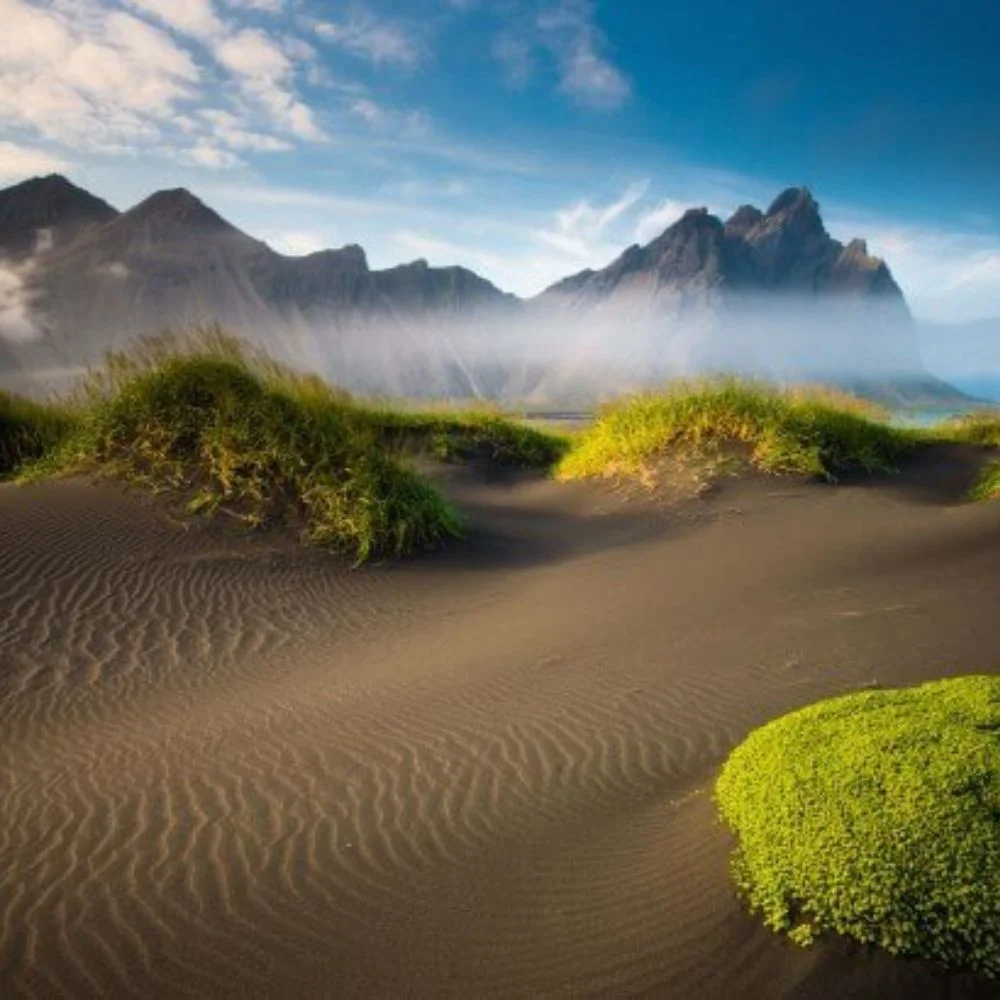
1. Vatnajokull National Park
Europe’s largest national park covers about 13–14% of Iceland, featuring the mighty Vatnajökull glacier and volcanic peaks. You’ll find iceberg-filled lagoons like Jökulsárlón, dramatic ice-cave tours in winter, and powerful waterfalls such as Dettifoss, Europe’s most powerful falls. The landscape shifts with the seasons, making it ideal for summer hikes and mystical in winter under the Northern Lights.
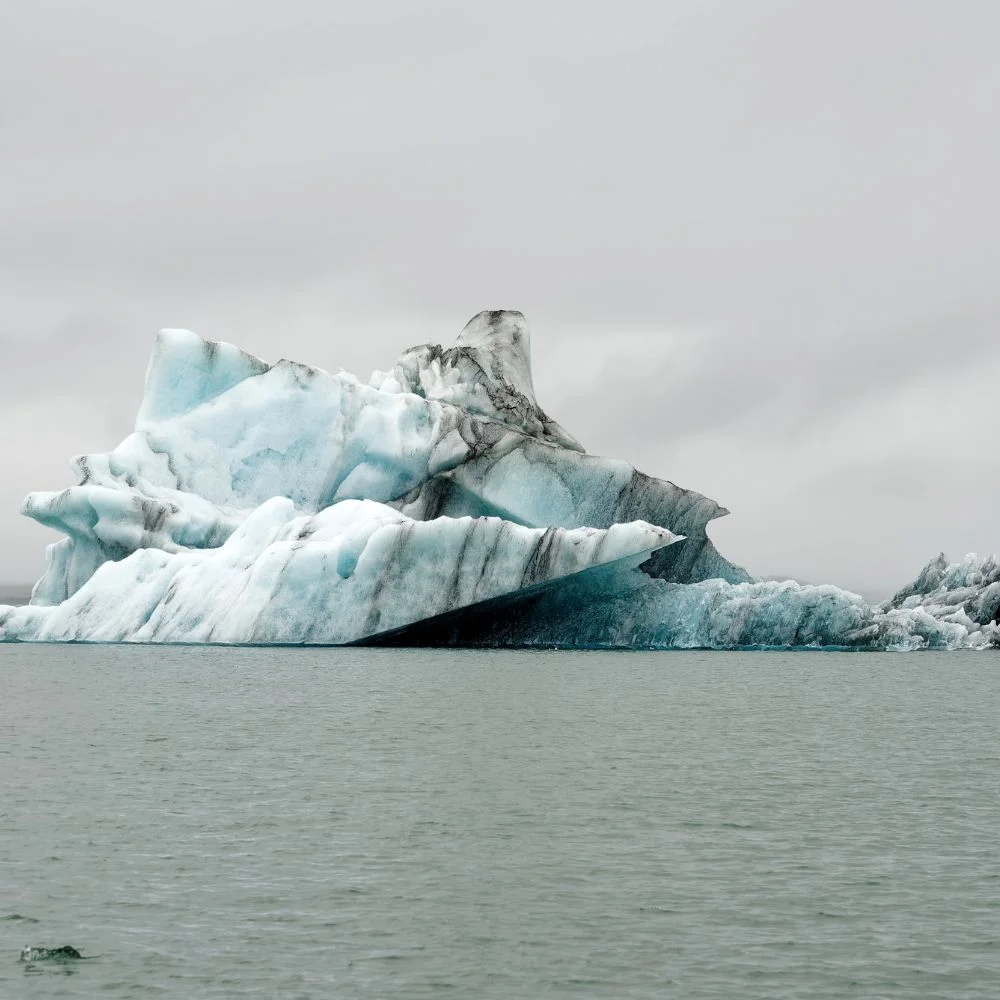
2. Jökulsárlón Glacier Lagoon
This mesmerizing glacier lake lies at the foot of Vatnajökull. Icebergs the size of small houses drift and break off Breiðamerkurjökull glacier. Each visit is unique, melting ice dances into the sea, lighting up Diamond Beach with icy jewels.
3. Gullfoss & the Geysir Area (Golden Circle)
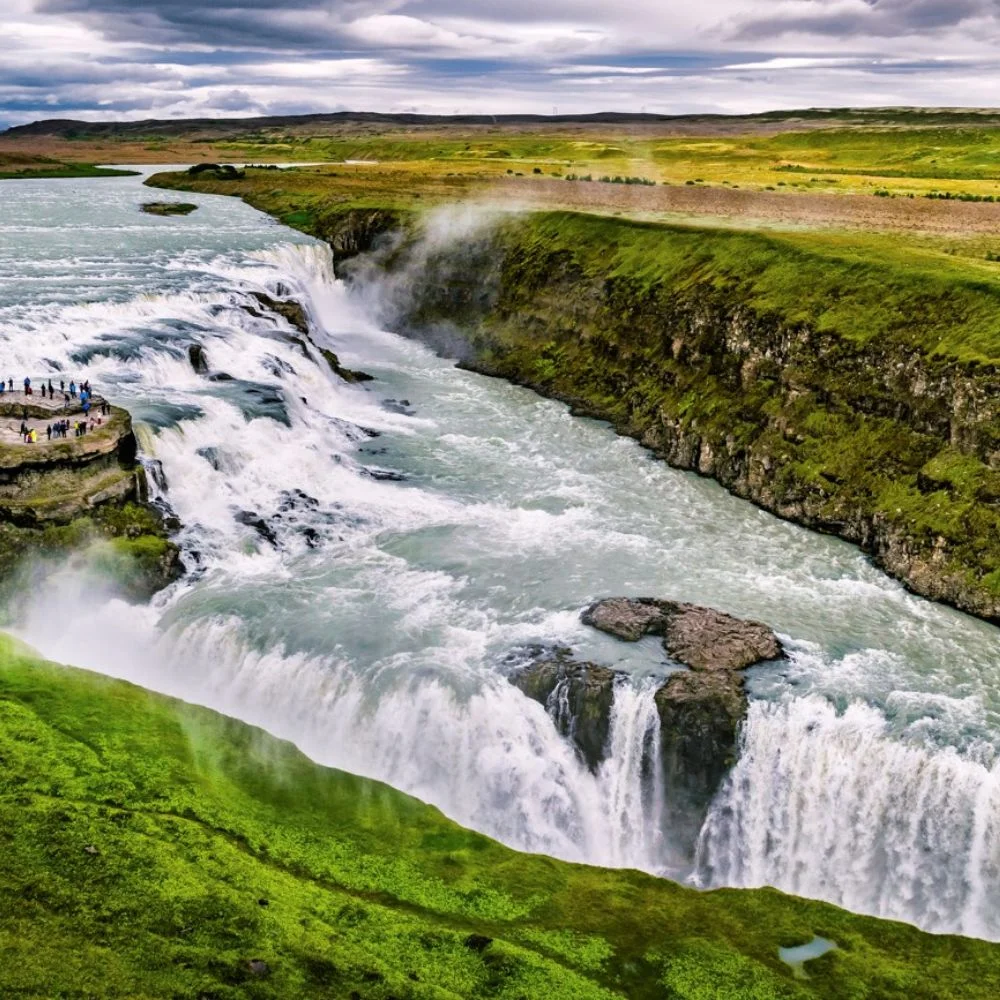
Gullfoss, the “Golden Falls,” plunges in two dramatic tiers along its canyon and glows gold on sunny days. Nearby, the Geysir geothermal field features “Strokkur,” erupting every few minutes to heights of 20 m. These fit perfectly in a Golden Circle day trip.
4. Þingvellir (Thingvellir) National Park
A UNESCO World Heritage site where you can walk between the North American and Eurasian tectonic plates. Here, you’ll also find Silfra fissure snorkeling and Öxarárfoss waterfall, plus the historic Alþingi, Europe’s oldest parliament.
5. Skógafoss & Seljalandsfoss
Two of the south coast’s most iconic waterfalls. “Skógafoss “drops 60 m and often shows rainbows in its mist. Nearby, “Seljalandsfoss” also drops 60 m, and you can walk behind the curtain of water, a rare treat.
6. Reynisfjara Black-Sand Beach & Dyrhólaey
Dark volcanic sands meet the Atlantic, framed by basalt sea stacks called Reynisdrangar. The site is dramatic and beautiful, but the rogue waves can be dangerous; stay back from the surf. Nearby “Dyrhólaey,” a promontory and puffin nesting ground, delivers stunning coastal panoramas.
7. Dettifoss & Ásbyrgi (Diamond Circle)
This northeast route, which is less crowded than the Golden Circle, leads you to “Dettifoss,” the continent’s most powerful waterfall, and “Ásbyrgi Canyon,” shaped by glacial floods. Nearby Lake Mývatn also offers geothermal pools, volcanic craters, and northern lights magic.
8. Snæfellsjökull National Park
On the Snæfellsnes Peninsula lies the ice-capped volcano Snæfellsjökull, famed in “Journey to the Center of the Earth.” Visit Kirkjufell, dramatic basalt cliffs like Lóndrangar, lava caves, and whale/puffin watching.
9. Highlands & Hidden Gems
The rugged highlands, including Landmannalaugar and Fjallabak, are a color-soaked paradise of rhyolite mountains, hot springs, and dramatic lava landscapes. Still less visited, they offer off-grid adventure.
10. Northern Lights & Midnight Sun
From autumn to spring, Iceland’s dark skies provide prime northern lights viewing. In summer, the midnight sun bathes the land in endless light from mid-May to July.
Travel Tips for 2025
- Timing: Summer (June–August) offers easy access to almost everything, while winter reveals ice caves and the auroras.
- Safety: Watch rogue waves at Reynisfjara, do not trespass on fences, and dress in layers; Icelandic weather can swing fast.
- Getting around: Rent a car to explore the best. For select Highlands or winter trips, guided tours ensure safety.
- Sustainability: Many spots are free to visit, but parking fees apply. Avoid crowded hubs by visiting lesser-known spots early or late.
FAQ
Q1. What are the must-see natural wonders in Iceland?
Some of the top natural wonders include Vatnajökull Glacier, Jökulsárlón Glacier Lagoon, Gullfoss Waterfall, the Geysir geothermal area, Skógafoss, Seljalandsfoss, Reynisfjara black sand beach, Snæfellsjökull volcano, and Dettifoss.
Q2. Do I need a 4×4 vehicle to visit these natural wonders?
For main routes like the Golden Circle and South Coast, a regular car is fine in summer. But for Highland routes (like Landmannalaugar), especially in summer or rough weather, a 4×4 is recommended.
Q3. Are Iceland’s natural attractions free to visit?
Most natural wonders in Iceland are free to visit, but some may charge small parking or entry fees. Always check official tourism pages or signage before entering.
Q4. How many days should I spend exploring Iceland’s natural wonders?
For a quick trip, 5–7 days can cover top spots like waterfalls, glaciers, and beaches. If you want to explore the ring road or the highlands, consider 10–14 days.
Q5. Can I visit Iceland’s natural sites in winter?
Yes, but the weather can affect road access. Guided tours are often the safest and easiest way to see ice caves, northern lights, and winter landscapes during this time.
Q6. What should I pack for an Iceland nature trip?
Pack layers, a waterproof jacket, sturdy hiking shoes, thermal wear (in winter), and camera gear. Weather can change quickly, so be prepared for both rain and sun.
Q7. Are the Northern Lights visible from natural attractions?
Absolutely. Many natural areas like Jökulsárlón or Thingvellir offer amazing views of the aurora borealis, especially in dark, clear skies from September to March.
Conclusion
This year, don’t just read about Iceland; “visit Iceland’s top natural wonders this year,” and explore its raw landscapes in person. Whether you chase geysers, wade in glacier lagoons, or hunt the northern lights, each moment here is unique and unforgettable. Travel safely, respect the land, and let the wildness of Iceland take your breath away.