Table of Contents
- Introduction to Citizen
- Image Rehabilitation and Apology
- Political Reflection & Legacy
- Service & Philanthropy: Rebuilding a New Identity
- Tone, Criticism, and Style
- Why This Memoir Matters
- Top Themes Summarized
- Who Will Benefit from Reading Citizen?
- Quick Overview of Citizen: My Life After the White House
- Key Topics Explored in the Memoir
- Political Lessons and Reflections
- Clinton as a Global Citizen
- Clinton’s Rules for Politics & Life
- How the Book Is Written?
- Who Should Read Citizen?
- conclusion
Bill Clinton’s second memoir, Citizen: My Life After the White House, offers his account of the years since he left office. Through a mix of personal stories, political commentary, and efforts to reshape his image, Clinton explores guilt, redemption, and ongoing public service. This article explains his narrative, his apologies, and his reflections in easy language that anyone can understand.
Introduction to Citizen
Published November 19, 2024, by Knopf, Citizen spans roughly 464 pages and chronicles Clinton’s life from his departure in 2001 to the present. It is meant as a follow-up to his earlier autobiography, My Life (2004), shifting the focus to his post-White House years and global work.
Image Rehabilitation and Apology
1. Dealing with the Lewinsky Scandal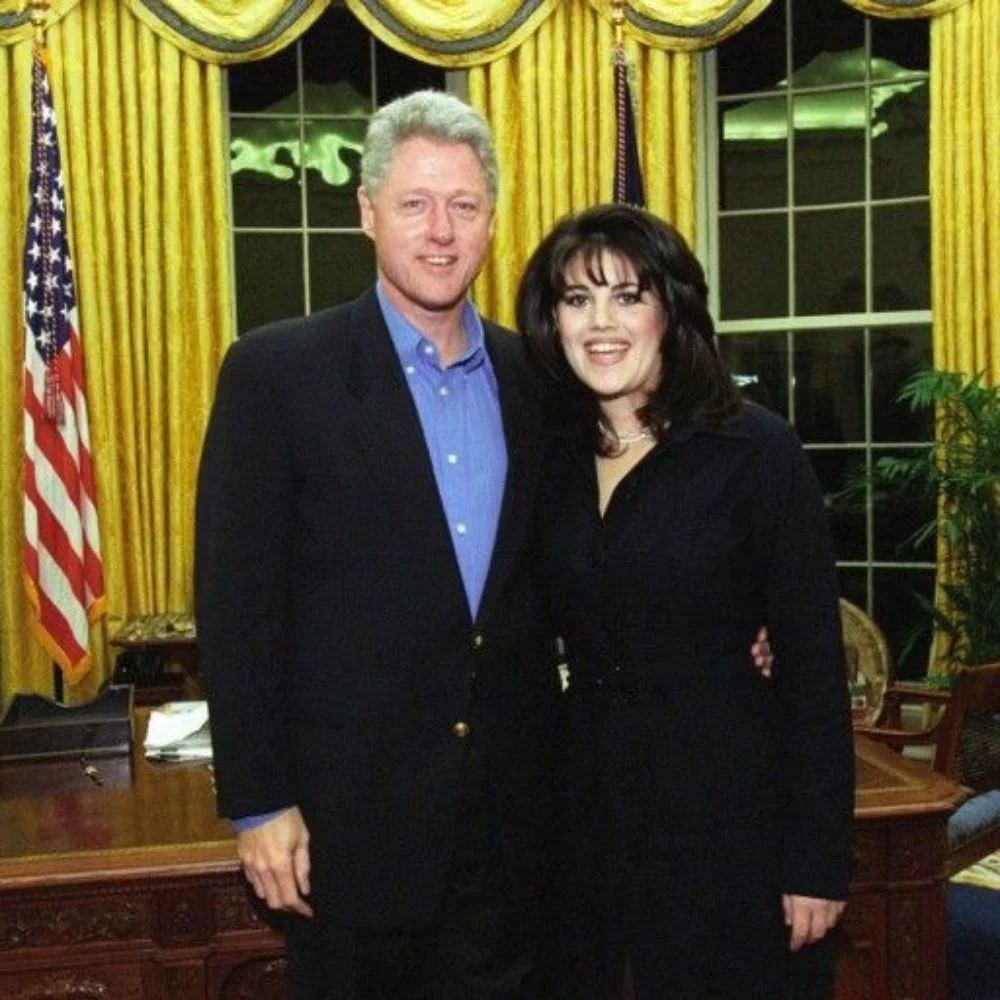
Clinton addresses the Bill Clinton & Monica Lewinsky affair and his impeachment directly, though sparingly. He explains that he never apologized to Lewinsky in private, even as he publicly expressed regret and deeply regrets how a 2018 television interview unfolded. He calls it “not my finest hour”.
2. On Jeffrey Epstein
Clinton acknowledges traveling twice on Epstein’s private plane (the so-called “Lolita Express”) in 2002 and 2003, but firmly denies ever visiting Epstein’s island or knowing about Epstein’s crimes. He calls the association a regrettable choice that brought years of scrutiny, and says he wishes he had never met him.
3. Clinton’s Emotional Fallout After 2016
Clinton writes candidly about the aftermath of the 2016 election and his wife Hillary’s defeat to Donald Trump. The character says he “couldn’t sleep for two years” and suffered repeated anger episodes. He apologizes to those around him for being “not fit to be around” during that time. Clinton blames Russian interference, FBI Director Comey, and biased media coverage for influencing the result.
Political Reflection & Legacy
Clinton re-examines important policy decisions from the 1990s, such as welfare reform, crime bills, and deregulation. He offers his rationale and addresses criticism from both left and right, insisting he made decisions he thought best at the time.
Service & Philanthropy: Rebuilding a New Identity
1. Disaster Relief and Global Work
From the India earthquake in 2001 to post-tsunami Sri Lanka and Hurricane Katrina, Clinton recounts volunteering in disaster zones. He co-led relief efforts with former President George H. W. Bush and celebrities to make practical differences on the ground.
2. Health Advocacy
A major focus is Clinton’s work on HIV/AIDS. Through the Clinton Health Access Initiative (CHAI), he helped negotiate lower drug prices and scale treatment access in poorer countries. He frames this as transforming AIDS from a death sentence to a manageable condition, one of his proudest achievements.
3. Climate & Development Initiatives
Clinton’s approach includes founding various initiatives Clinton Global Initiative (CGI), the Clinton Climate Initiative (CCI), and others, each aimed at solving global policy challenges. He blends high-level diplomacy, practical projects, and fundraising in pursuit of positive change.
Tone, Criticism, and Style
1. Writing Style and Pace
Reviews describe Citizen as chatty and energetic, like reading a vivid chronicle of life on the road. Occasionally digressive, Clinton shifts from serious policy talk to light musical anecdotes, cafeteria menus, or international travel recollections.
2. Critics thought
A few critics find the book too long and tone-deaf at times. The Guardian calls it a “prolonged stroll through memory lane” that “never quite reaches a desired destination”. Yet his attention to fine detail and storytelling earns praise, and many admire his energy and empathy even decades after leaving office.
3. Omissions and Limits
Critics express disappointment that Clinton glosses over some controversies. His brief treatment of Lewinsky, absence on other women’s allegations, and thin discussion of internal Democratic politics leave gaps in the narrative. Many readers expected more self-criticism on these fronts.
Why This Memoir Matters
For readers and students of democracy, Citizen offers a window into how a former leader tries to shape a second act combining regret, reflection, and renewed purpose. Clinton is both defensive and hopeful: defensive about past mistakes, hopeful in continuing to impact world events through public service.
Top Themes Summarized
- Image & Apology: Attempts to repair reputation with measured regretespecially around Lewinsky and Epstein associations.
- Political Reflection: Revisiting policy decisions and acknowledging what he’d do differently today.
- Public Service: Emphasis on global philanthropy, disaster relief, health access, and climate projects.
- Public Voice: Tips for politics and life, shared as personal rules.
- Writing Style: Energetic, conversational, detailed, uneven in depth across sensitive topics.
Who Will Benefit from Reading Citizen?
- Those studying how modern presidents reshape their legacies after office.
- Readers interested in global aid, philanthropy, or public health, especially AIDS work.
- Fans of memoirs that blend policy insight with personal reflection.
- Anyone curious about how public figures address scandal and aging in public life.
Quick Overview of Citizen: My Life After the White House
- Author: Bill Clinton.
- Published: November 19, 2024
- Publisher: Knopf.
- Pages: 464.
- Follow-up to: My Life(2004).
- Focus: Post-presidency life, public image, apology, and global service.
- Tone: Personal, reflective, informal, and detail-driven.
- Main Themes: Redemption, responsibility, philanthropy, and legacy
Key Topics Explored in the Memoir
1. Rebuilding His Public Image
- Clinton works to reshape how the world views him after scandals.
- He emphasizes his global efforts and lifelong commitment to service.
- His goal is to be remembered more as a problem solver than a political figure.
2. Addressing the Lewinsky Affair
- Acknowledges public apologies, but admits he never apologized directly to Monica Lewinsky.
- Expresses regret for his tone during a 2018 interview where he defended himself.
- Praises Lewinsky’s resilience and public service in the anti-bullying movement.
3. Relationship with Jeffrey Epstein
- Confirms two flights on Epstein’s plane for Clinton Foundation trips.
- Denies any involvement in Epstein’s criminal behavior.
- Labels the relationship as “a mistake in judgment.”
4. Coping with Hillary’s 2016 Loss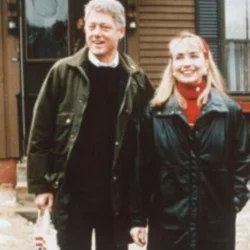
- Clinton opens up about how deeply Hillary Clinton’s presidential loss affected him.
- Admits to anger, sleepless nights, and emotional outbursts.
- Feels personal responsibility for the campaign’s outcome and its aftermath.
Political Lessons and Reflections
1. Revisiting Presidential Policies
- Discusses past legislation:
- Welfare Reform (1996): While it was deemed necessary at the time, I now recognize how it fell short.
- 1994 Crime Bill: Admits unintended consequences like mass incarceration.
- Financial Deregulation: Reflects on decisions that preceded the 2008 crisis.
Claims he made the best choices he could with the information he had at the time.
2. The Marc Rich Pardon
- He regrets granting a last-minute pardon to financier Marc Rich.
- Says he underestimated how it would impact his reputation.
- Frames it as one of his biggest post-presidency regrets.
Clinton as a Global Citizen
1. Disaster Relief Missions
- Actively supported:
- 2004 Tsunami Relief in Sri Lanka.
- Hurricane Katrina Fundraising.
- Rebuilding Haiti post-earthquake.
Co-led initiatives with former presidents (like George H. W. Bush).
2. Health and HIV/AIDS Work
- Through the Clinton Health Access Initiative (CHAI), helped:
- Lower HIV treatment costs in Africa and Asia.
- Provide vaccines and medicine to developing countries.
- Expand access to healthcare and improve survival rates.
3. Environmental and Climate Efforts
- Launched theClinton Climate Initiative (CCI).
- Promoted clean energy solutions in cities and schools.
- Invested in reforestation and carbon reduction partnerships.
Clinton’s Rules for Politics & Life
Here are some personal principles shared in the memoir:
- “Don’t drink in public.”: Maintain a professional image.
- “Fight back without becoming bitter.”: Defend your beliefs with dignity.
- “Be loyal to your people.”Stand by those who stood by you.
- “Make the world better every day.”: Small actions matter.
How the Book Is Written?
1. Writing Style and Structure
- Written in a conversational tonelike speaking directly to readers.
- Chapters are organized around themes, not strict timelines.
- Includes personal photos and short stories to break up heavy topics.
- Some parts drift into travel details, making the pacing uneven at times.
2. Strengths and Weaknesses
Strengths:
- Honest about mistakes (to some degree).
- Inspiring examples of service and recovery.
- Easy for general readers to follow.
Weaknesses:
- Controversial topics are not fully explored.
- Self-defensive tone in places.
- Critics call it too long and unfocused in structure.
Who Should Read Citizen?
- History buffs: for post-presidency insights.
- Students: for political analysis and leadership lessons.
- Critics and journalists: for evaluating Clinton’s handling of past scandals.
- Everyday readers: who enjoy memoirs with reflection, learning, and emotion.
- Public service professionals: looking to understand post-office impact.
conclusion
Citizen is not just a reflection; Bill Clinton attempts to rebuild trust and relevance. Character knows he can’t erase the past, but believes service and humility can shape the future. The memoir shows how a former president tries to be useful, accountable, and human in a complex world. Although it may not address every inquiry, it paints a vivid picture of an individual who, rather than leading a nation, now champions humanity.