Table of Contents
- Key Yoga Symbols and Their Spiritual Meanings
- 1. Om: The Sound of the Universe
- 2. Lotus Flower: Rising Above Challenges
- 3. Mandala: Circle of Wholeness
- 4. Hamsa Hand: Protection and Strength
- 5. Chakras: Energy Centers in the Body
- 6. Tree of Life: Growth and Connection
- 7. Gyan Mudra: The Gesture of Wisdom
- 8. Sri Yantra: Path to Higher Awareness
- 9. Anjali Mudra: Gesture of Gratitude
- 10. Dharma Wheel: The Path of Truth
- 11. Namaste Symbol: Honoring the Divine
- 12. Yin and Yang: Harmony of Opposites
- Why These Symbols Matter in Yoga Practice?
- Final Thoughts
Yoga goes beyond physical movement; it’s a full-body, mind, and spirit experience. Symbols commonly seen in yoga spaces carry deep meanings of peace, energy, and growth. Understanding them can deepen your practice and connection.
Key Yoga Symbols and Their Spiritual Meanings
Yoga is a spiritual journey supported by ancient symbols that guide the mind and deepen meditation. Learning their meanings enhances self-awareness and enriches your practice.
1. Om: The Sound of the Universe
Om is yoga’s most powerful symbol, representing creation, preservation, and destruction through its A-U-M sound. It’s believed to be the universe’s first vibration and is often chanted to center the mind and spirit.
What Om stands for:
- Unity of mind, body, and soul
- The vibration of all living things
- A tool for calming the mind and aiding meditation
- Deep connection with the spiritual universe
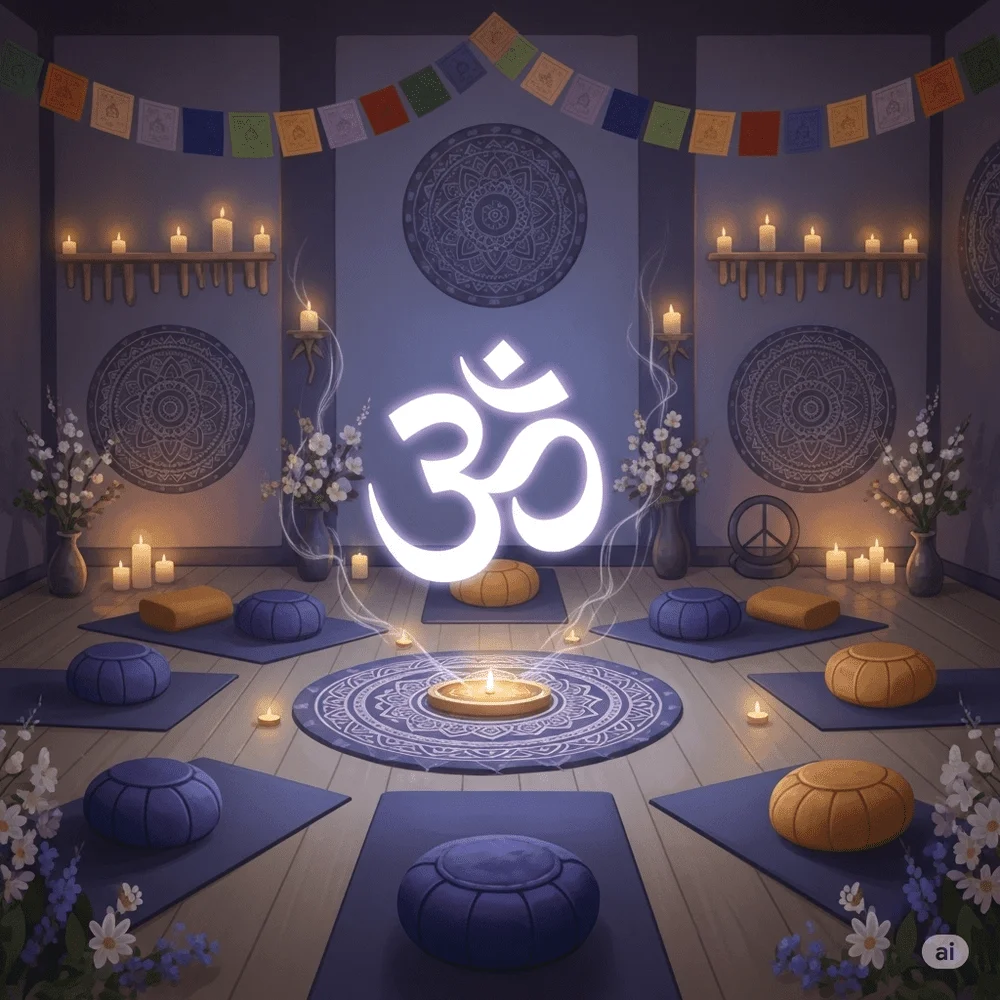
You’ll often see the Om symbol on pendants, wall art, or yoga gear, reminding us to stay grounded and connected.
2. Lotus Flower: Rising Above Challenges
The lotus flower is a strong symbol in yoga. It grows in muddy water but still blooms clean and beautiful above the surface. This represents how we, too, can rise above life’s difficulties and become our best selves.
What it symbolizes:
- Spiritual growth and transformation
- Inner beauty and strength
- Purity of thought and emotion
- Rising through adversity to reach peace
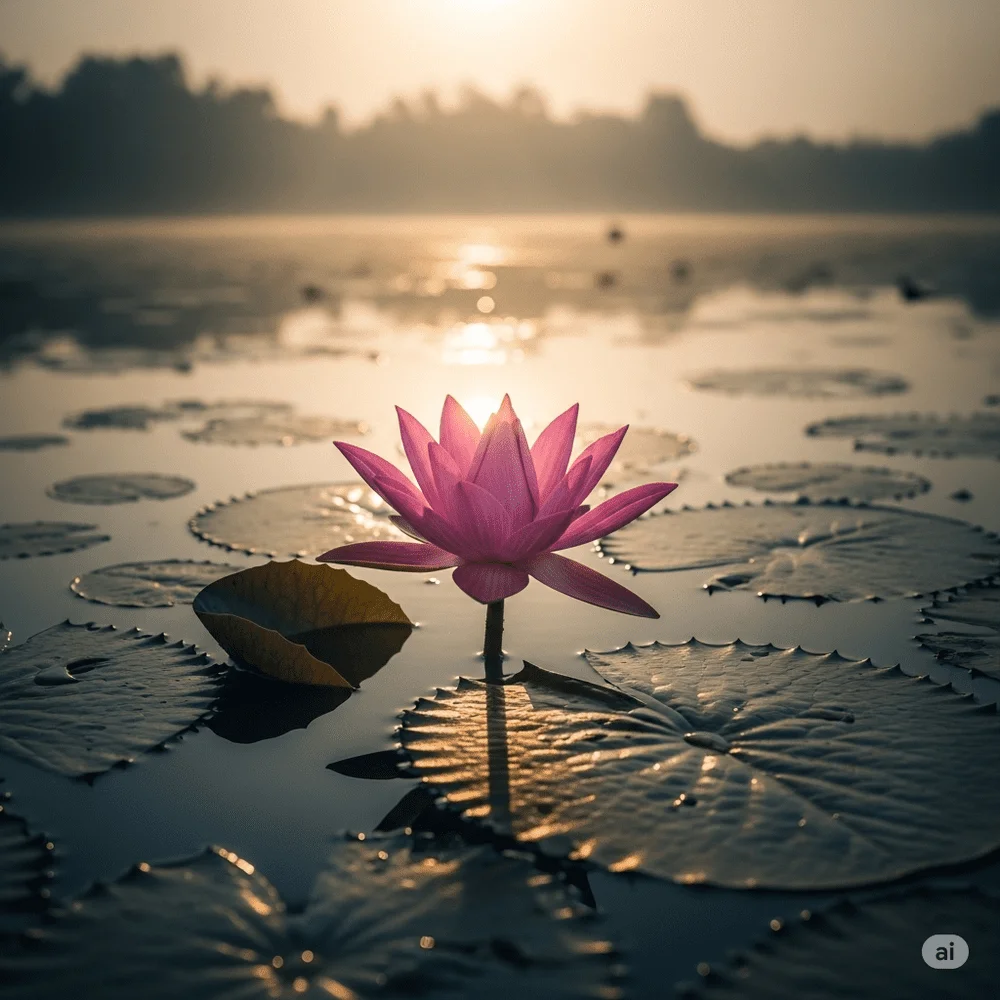
The lotus is often linked with the crown chakra and appears in many spiritual artworks, especially those related to meditation.
3. Mandala: Circle of Wholeness
Mandala is a Sanskrit word that means “circle.” It’s a detailed, symmetrical design that begins from the center and spreads outward in layers. Mandalas are used as meditation tools to bring balance and focus to the mind.
Mandala meanings:
- Wholeness and unity with the universe
- The journey inward for self-discovery
- Focus and mental clarity during meditation
- A symbol of harmony in life’s cycles
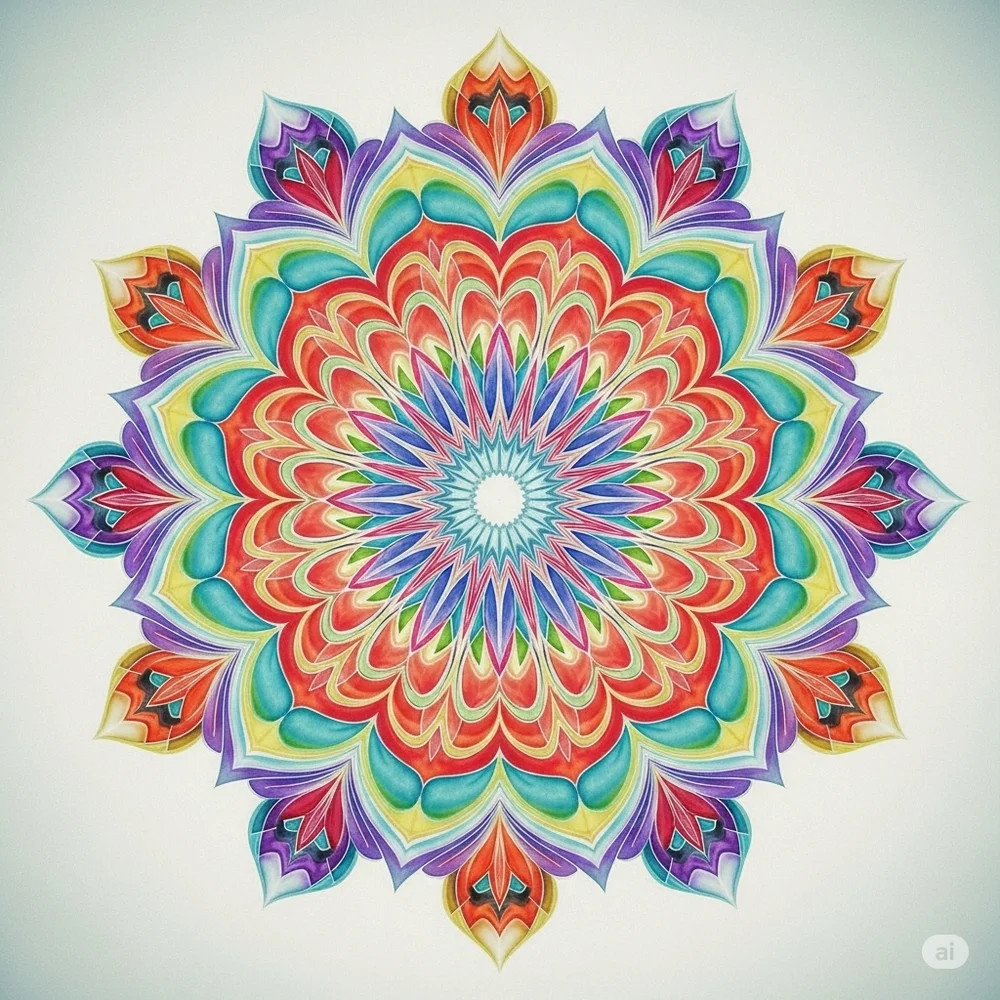
You can draw, color, or simply gaze at mandalas to center your thoughts and emotions.
4. Hamsa Hand: Protection and Strength
The Hamsa is a hand-shaped symbol with an eye in the center. Found across many cultures, it’s believed to protect against negative energy and the “evil eye.”
Hamsa represents:
- Inner strength and divine protection
- Balance between good and bad
- Trust in one’s higher self
- Positivity and healing energy
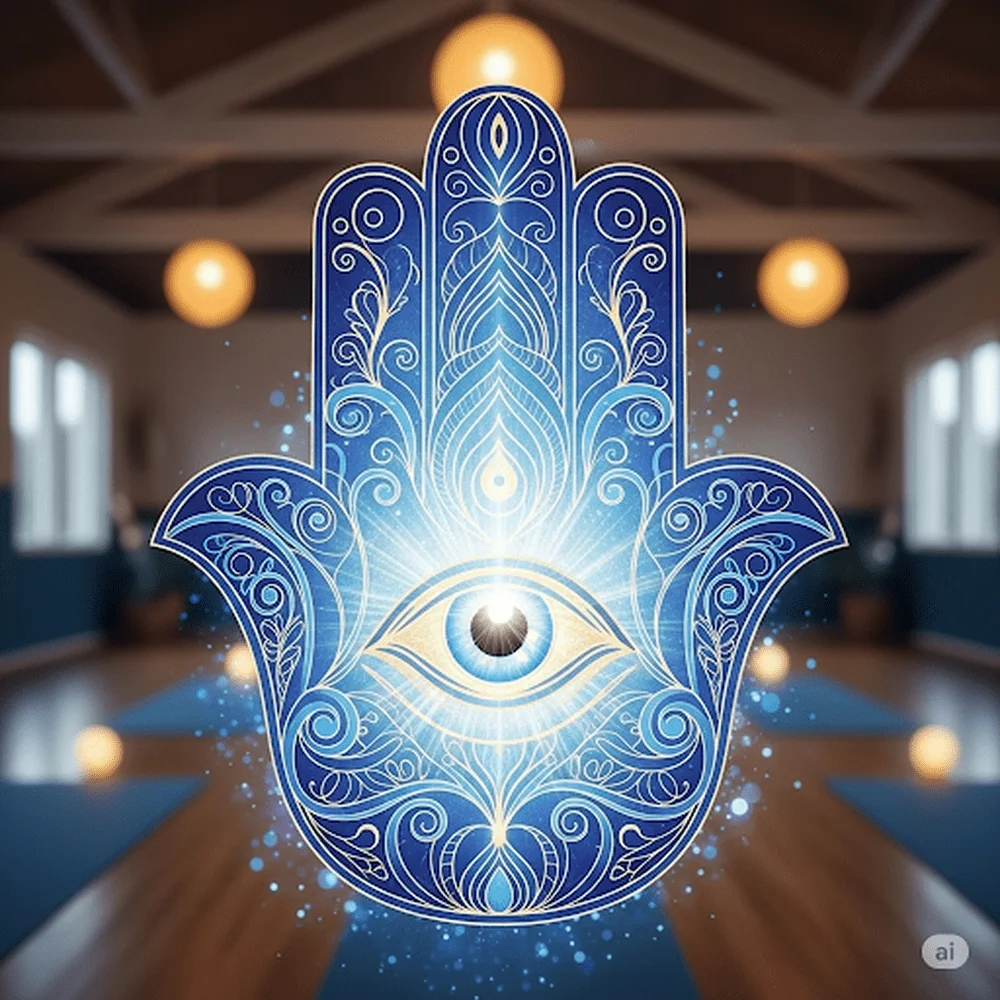
Worn as jewelry or displayed at home, the Hamsa hand reminds us to stay strong and ward off negative thoughts.
5. Chakras: Energy Centers in the Body
The word “chakra” means wheel in Sanskrit. In yoga, chakras are energy points along the spine, and when they are balanced, we feel physically and emotionally well. There are seven main chakras, each with a unique color and meaning.
The Seven Chakras:
- Root (Red): Grounding, safety, and survival
- Sacral (Orange): Creativity, pleasure, and emotions
- Solar Plexus (Yellow): Confidence and personal power
- Heart (Green): Love, compassion, and forgiveness
- Throat (Blue): Expression, truth, and communication
- Third Eye (Indigo): Intuition and inner wisdom
- Crown (Violet): Spiritual connection and enlightenment
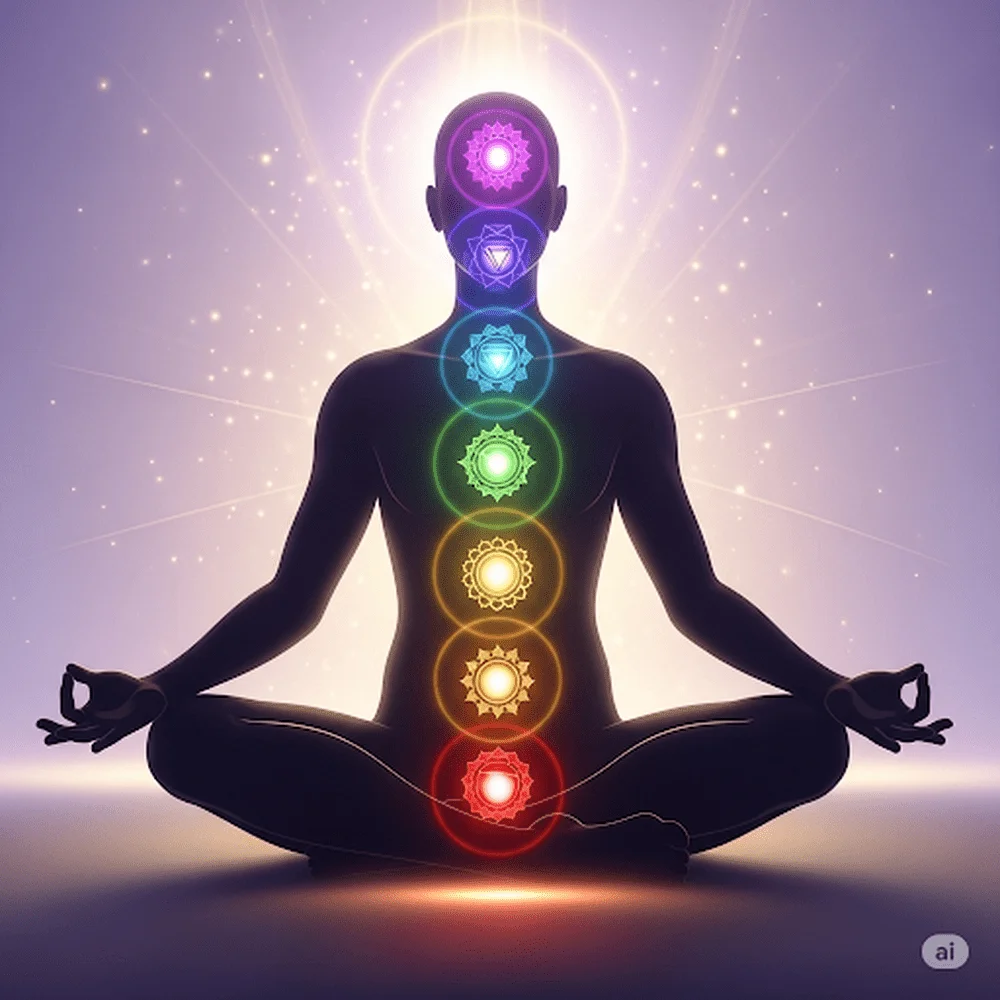
Yoga postures, breathwork, and meditation can help balance your chakras and improve your energy flow.
6. Tree of Life: Growth and Connection
The Tree of Life is a powerful symbol representing the connection between earth and sky. Just like a tree grows strong roots and reaches upward, we too must stay grounded while always learning and growing.
It symbolizes:
- Stability and strength in life
- Growth in physical, emotional, and spiritual areas
- Deep connection with nature and the universe
- Balance between grounding and aspirations
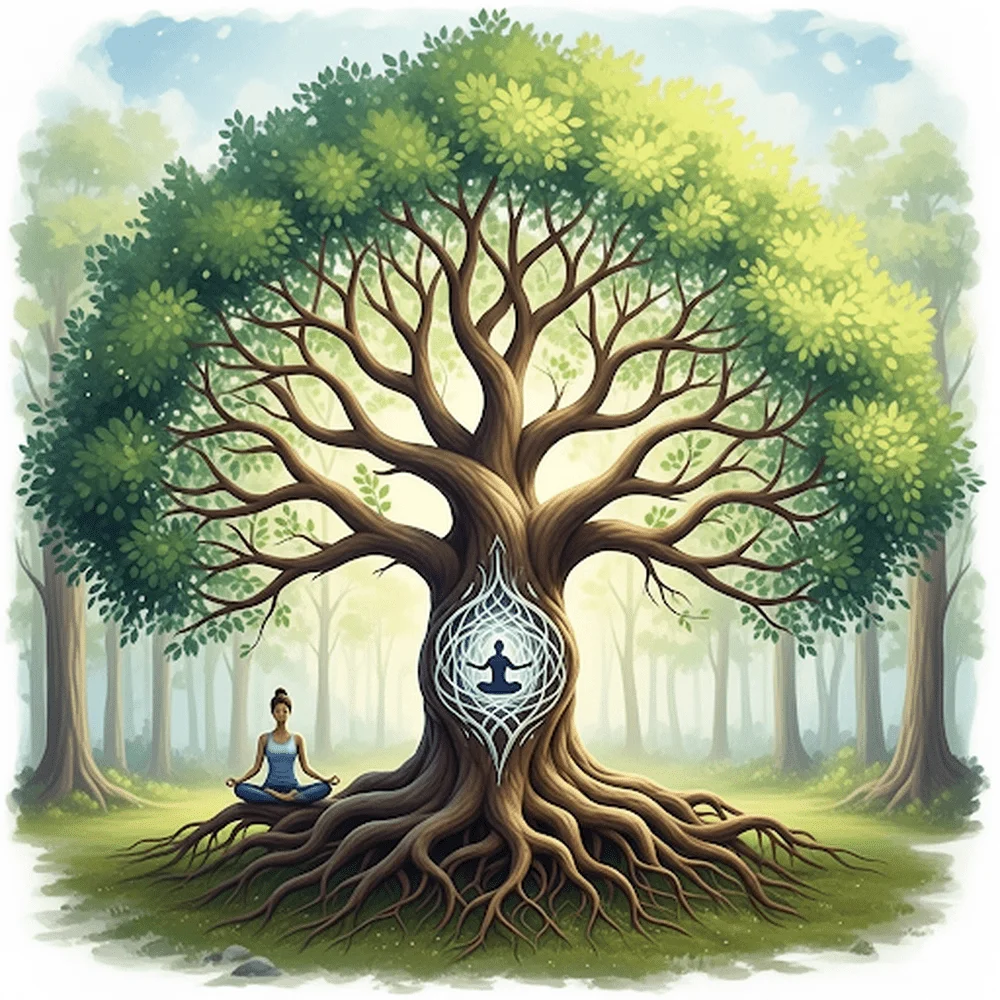
The Tree Pose in yoga also reflects this idea, helping you build balance and focus.
7. Gyan Mudra: The Gesture of Wisdom
Mudras are hand gestures used in yoga to direct energy. The Gyan Mudra is formed by touching the thumb and index finger while keeping the other fingers extended. It’s one of the most popular mudras used during meditation.
What it symbolizes:
- Wisdom and inner knowledge
- Improved focus and memory
- A calm and peaceful state of mind
- Connection with higher consciousness
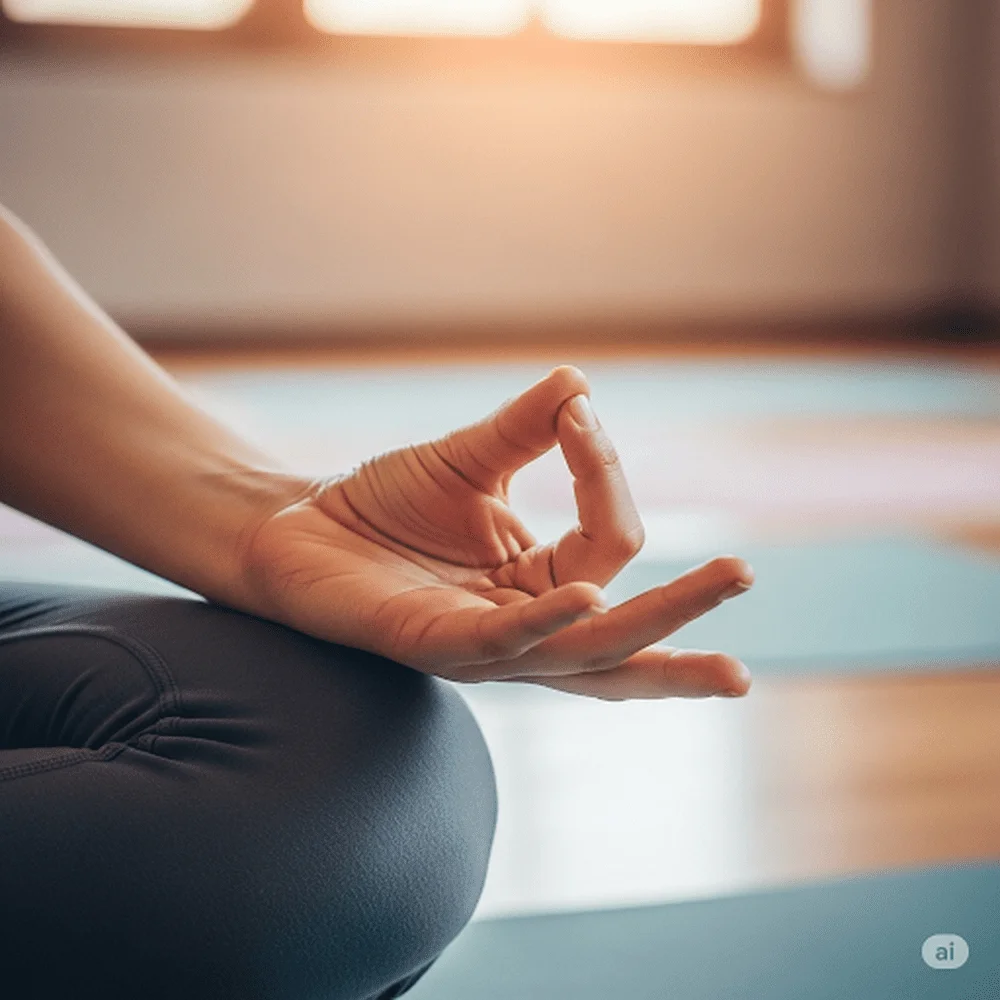
You can do this mudra anytime you need clarity or mental stillness.
8. Sri Yantra: Path to Higher Awareness
The Sri Yantra is a complex sacred geometry symbol made up of interlocking triangles. It’s used in meditation and is believed to carry strong spiritual energy.
It stands for:
- Balance of male and female energies
- Connection to the universe’s divine power
- Wealth, harmony, and inner success
- A roadmap to spiritual awakening
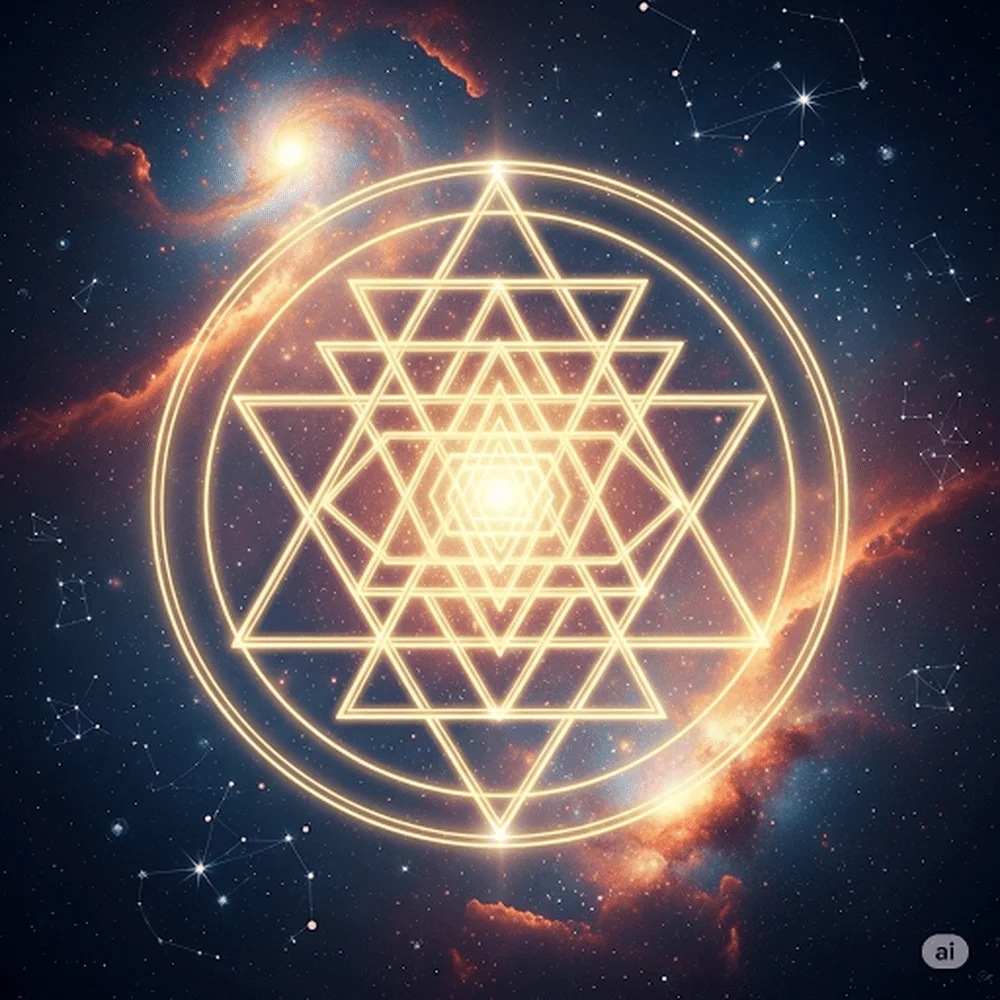
Meditating with the Sri Yantra can help align your inner energy and deepen your awareness.
9. Anjali Mudra: Gesture of Gratitude
Also known as the “prayer hands,” Anjali Mudra is made by pressing the palms together in front of the chest. It’s often used when saying “Namaste,” a greeting of respect and peace.
Anjali Mudra means:
- Gratitude and respect for self and others
- Acknowledgment of the divine in everyone
- Inner balance and harmony
- A sense of humility and peace
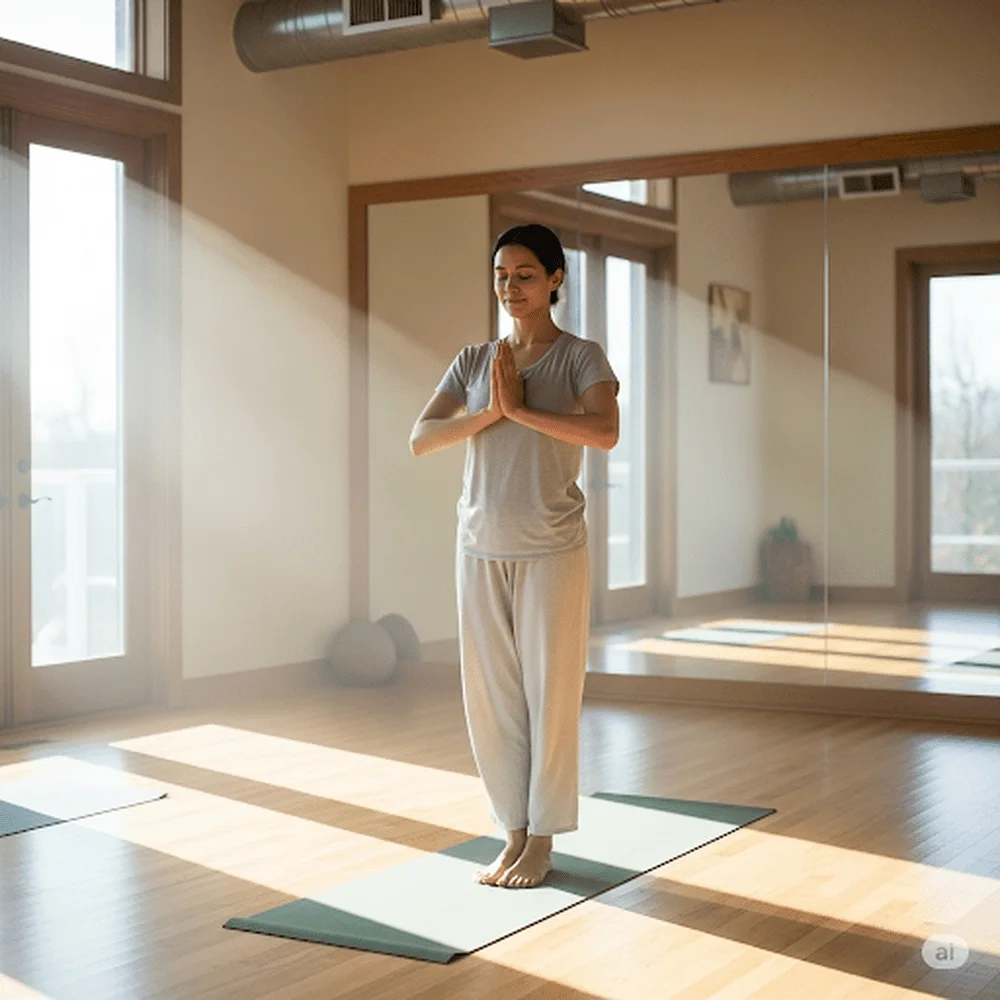
This mudra is a powerful reminder to stay grounded in kindness and awareness.
10. Dharma Wheel: The Path of Truth
The Dharma Wheel, also known as Dharmachakra, is a Buddhist symbol often seen in yoga spaces. It has eight spokes representing the Eightfold Path, a guide to living a truthful and meaningful life.
The Dharma Wheel reflects:
- The journey toward wisdom and awareness
- Right thoughts, speech, action, and intention
- The endless flow of learning and growth
- Staying true to one’s path, even through challenges
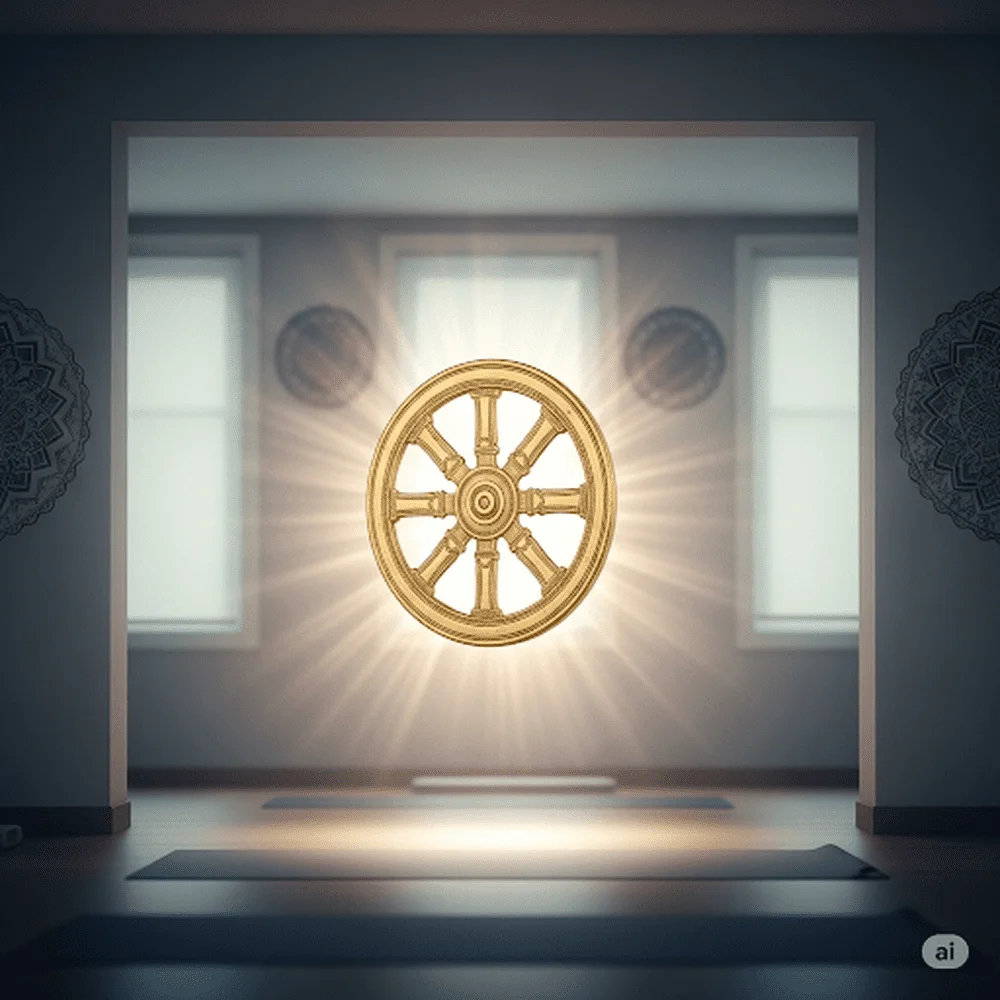
Yoga and meditation centers commonly use it to inspire honest and mindful living.
11. Namaste Symbol: Honoring the Divine
“Namaste” is more than a greeting. It’s a sacred word in yoga that means “I bow to the divine in you.” When said with palms pressed together, it symbolizes unity, respect, and love.
Namaste represents:
- Deep respect between people
- Shared human connection and spirit
- Peace and mutual understanding
- A calm beginning or ending to your yoga practice
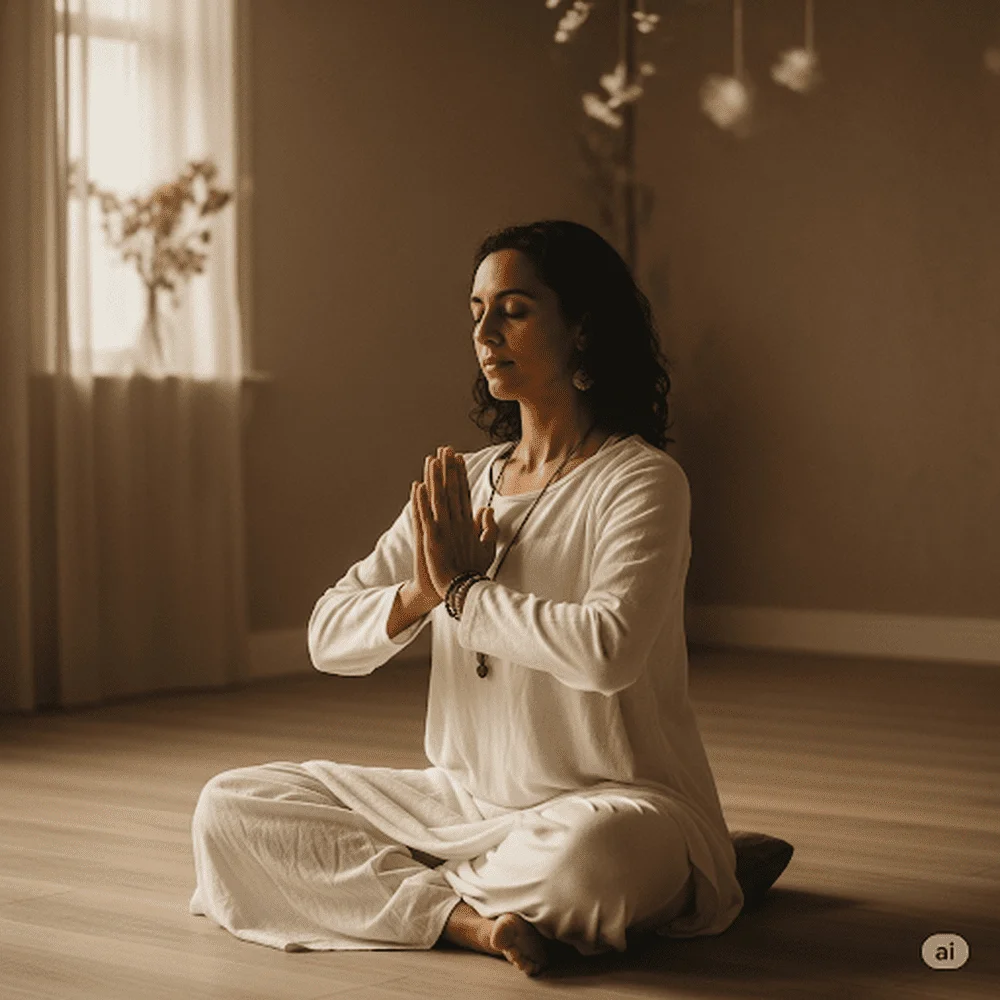
Using this symbol adds emotional depth to your sessions and helps foster kindness and humility.
12. Yin and Yang: Harmony of Opposites
Yoga culture widely embraces the Yin and Yang symbol, even though it originates from Chinese philosophy. It actively shows the balance between two interconnected opposing forces, light and dark, active and passive, masculine and feminine.
What Yin and Yang mean in yoga:
- Balance in every aspect of life
- Embracing both effort and relaxation
- Accepting duality within ourselves
- Finding peace through balance
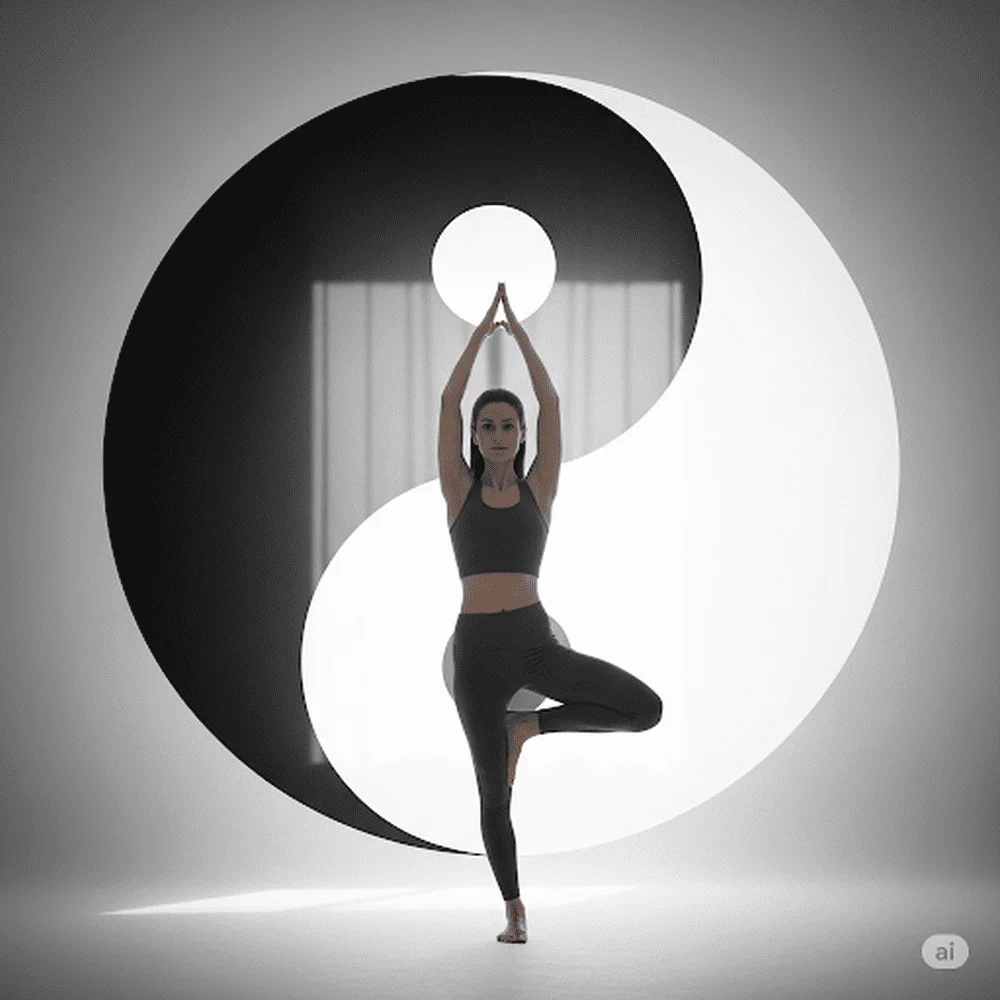
This symbol encourages us to accept all parts of ourselves and find harmony in everyday moments.
Why These Symbols Matter in Yoga Practice?
Yoga is a holistic lifestyle that goes beyond physical exercise. Embracing Yoga Symbols and Meanings like Om, Mandala, or Hamsa adds depth, calm, and clarity to your journey, helping you grow, stay grounded, and connect deeply with your true self.
Here’s how symbols support your yoga journey:
- Strengthen meditation and breathwork
- Add meaning to your movements and poses
- Inspire self-reflection and spiritual growth
- Bring peace, positivity, and purpose into your life
Final Thoughts
Yoga represents a complete lifestyle that nurtures the body, mind, and soul far more than a physical workout alone. Embracing Yoga Symbols and Meanings like Om, Mandala, or Hamsa adds depth, calm, and clarity to your journey, helping you grow, stay grounded, and connect deeply with your true self.