Table of Contents
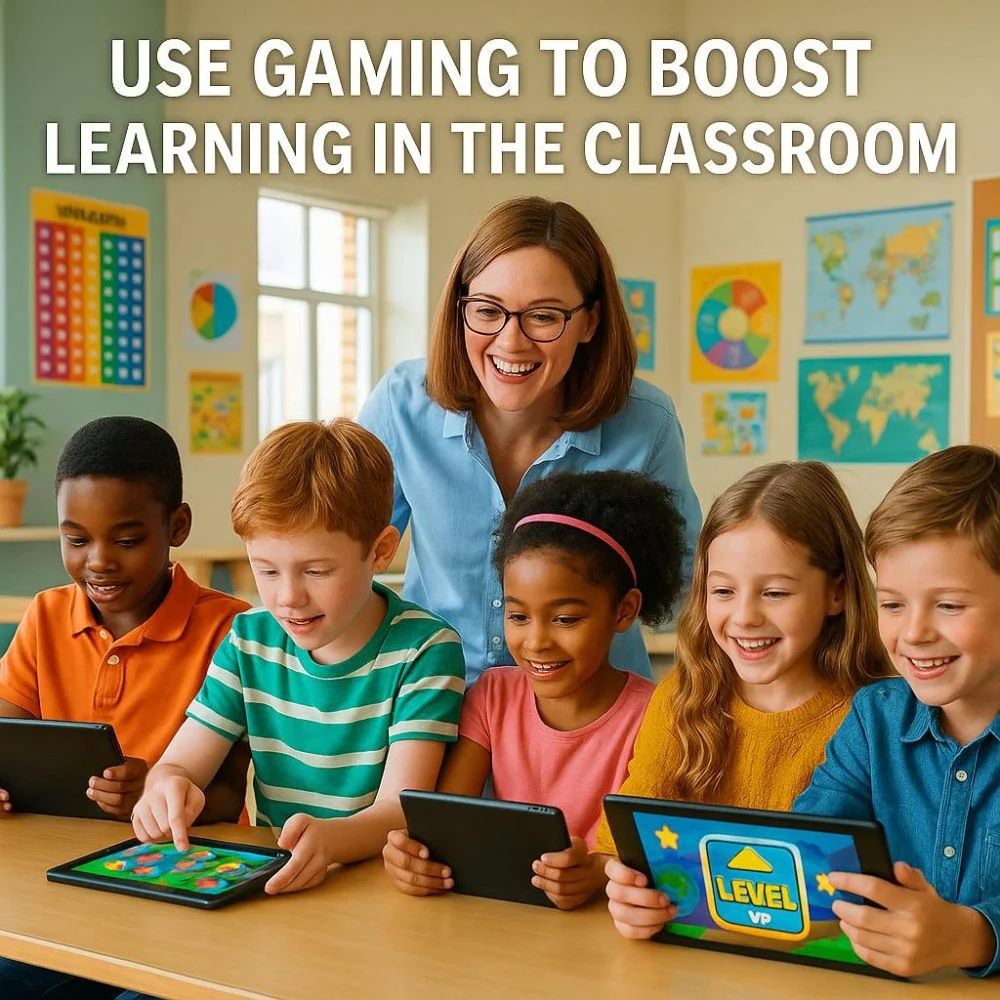
Gaming isn’t just for fun it can be a powerful tool in the classroom. When we combine learning with games, students stay engaged, think creatively, and learn better. This article explores why classroom learning with gaming works, how to use it and some real-life ideas you can try.
Why Classroom Learning with Gaming Works?
1. Engagement and Motivation
Students love games. By turning lessons into fun challenges or quests, kids stay excited and focused. A study using a quiz game like Kahoot found that it not only made students more positive about learning but also boosted their quiz scores.
2. Builds Critical Thinking
Games often ask students to solve problems or make strategic choices. These moments teach them to think on their feet, analyze information, and plan ahead skills that go far beyond the classroom.
3. Social Skills and Collaboration
Team-based games encourage students to work together, communicate and support one another. Studies show group play boosts collaboration, empathy and a sense of belonging.
4. Learning from Mistakes
In games, failure is just a chance to try again. This builds resilience and a positive mindset: students learn that it’s okay to make mistakes as long as they learn and improve.
5. Custom Learning Pace
Games often allow players to move at their own pace pausing, retrying or moving forward when ready. This supports different learning styles and gives everyone a shot at success.
Evidence That Gaming Boosts Learning
- Focus and Performance: Research shows games help kids with ADHD and dyslexia improve attention and memory skills.
- Cognitive Skills: Playing video games helps improve problem-solving abilities, sharpens quick thinking and enhances spatial awareness.
- Positive Results: A study in software engineering showed students using game-based escape rooms learned more than those with traditional lectures.
- Higher Achievement: Digital math games produced better results than standard computer lessons, especially for girls.
Choosing the Right Approach
Digital vs. Traditional Games
- Digital Games: Tools like Minecraft, Kahoot, Socrative or educational escape rooms bring interactivity and feedback quickly.
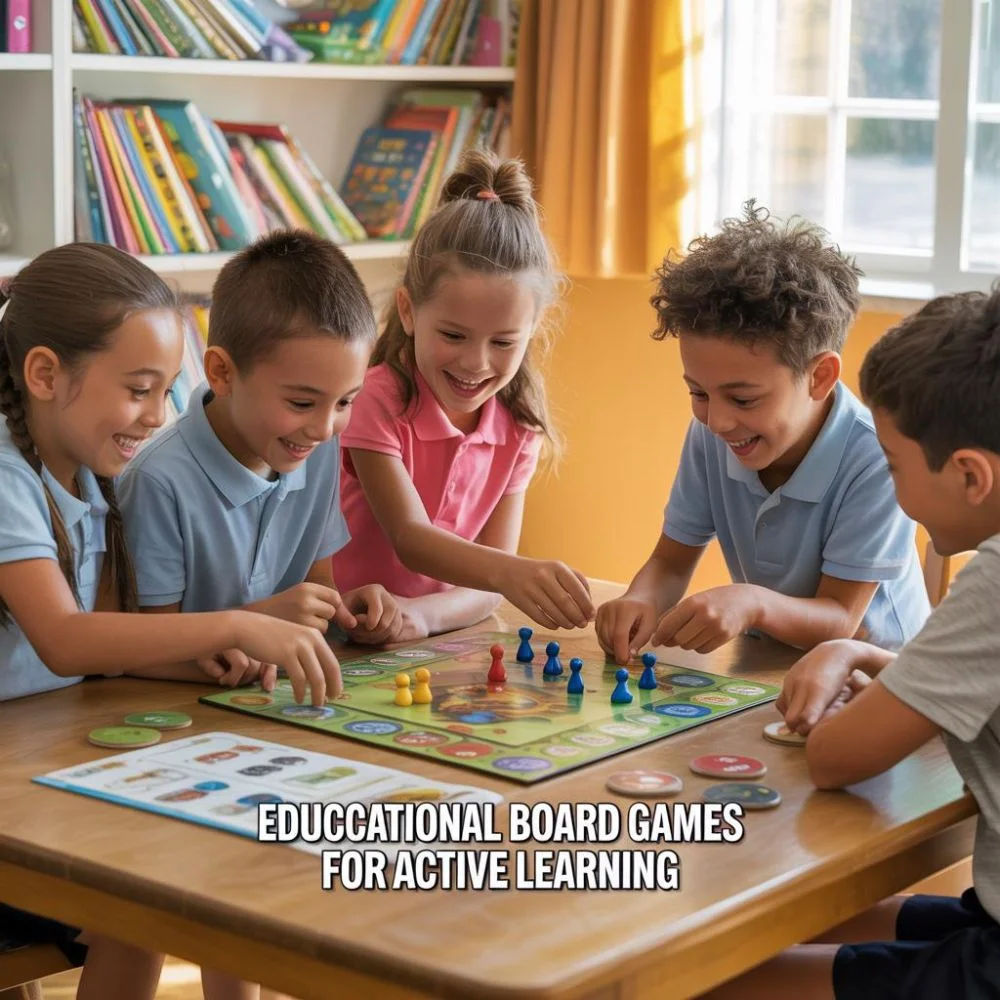
- Non-Digital Games: Simple games like board games, scavenger hunts or card-based jigsaws are easy to set up and great for discussion and hands-on learning.
Gamification vs. Game-Based Learning
- Gamification: Add game-like features such as points, badges and leaderboards to everyday lessons.
- Game-Based Learning: Design lessons around actual games, where the gameplay carries the learning objective.
Potential Drawbacks & How to Handle Them?
1. Overemphasis on Competition
Too much focus on winning can stress some students or hurt teamwork. Maintain a balance between healthy competition and individual growth, acknowledge students’ efforts and celebrate progress for all.
2. Cost & Access Issues
Not every school can afford tech. Use low-cost alternatives like card games, scavenger hunts, or simple quizzes. No fancy kit required.
3. Distraction Risk
Games can become distractions if not well-managed. Set clear time limits, rules and learning goals before playing.
4. Screen Time Concerns
Digital games add screen time. Mix in offline games and hands-on work to keep balance.
Practical Ways to Bring Gaming into Class
1. Quiz Games (Kahoot, Quizizz, Socrative)
- Use: Review material before tests or intro lessons.
- Benefits: Immediate feedback, excitement from leaderboards and clear learning checkpoints.
2. Digital Learning Games
- Decimal Point: Builds math skills through interactive gameplay, especially helpful for fractions.
- PaGamO: A gamified platform that rewards individual and group progress.
3. Escape Room Challenges
- Use: Create puzzles tied to curriculum topics history mysteries or coding locks.
- Results: These boost engagement and help students retain knowledge better.
4. Jigsaw Games & Gallery Walks
- Jigsaw: Students take charge of a portion of the topic, become “experts,” and then share their knowledge with classmates, building teamwork and accountability.
- Gallery Walk: Stations with questions allow students to move, think critically and share ideas out loud.
5. Team Game Tournaments (TGT)
- Format: Students study together, then compete in quiz rounds. Groups rotate based on performance, keeping all levels involved and motivated.
6. Non-Digital Play
- Build board games based on curriculum (e.g. create trivia or role-play. Rewrite songs to illustrate scientific concepts).
- Offers creative outlets, empathy-building and deeper understanding.
Tips to Make It Work
| Tip | Why It Matters |
| Align with Learning Goals | Games must connect to your lesson objectives not just be fun. |
| Clear Instructions | Define roles, rules, time limits; prevent chaos. |
| Debrief | Discuss strategies, lessons learned, teamwork and mistakes. |
| Flexible Setup | Have backup plans for tech issues or connectivity problems. |
| Track Progress | Use assessments or reflections to measure learning growth. |
| Include Everyone | Design mixed teams, so every student feels capable and valued. |
Beyond Academic Skills
Gaming in class also builds social-emotional skills:
- Confidence & Risk-Taking: Safe, playful environments encourage trying new ideas and learning from failure.
- Empathy & Communication: Collaborative games teach students to listen, share responsibility and value others’ strengths.
- Joy in Learning: Playfulness leads to happier, more curious and more motivated students every day.
Conclusion
Level Up Your Teaching: Using gaming in the classroom isn’t a fringe idea it’s a proven method to boost engagement, critical thinking, teamwork and deeper learning. Whether you pick online games or simple board challenges, what matters is the intent and reflection behind them. Begin with simple steps: organize a weekly quiz session, experiment with a Gallery Walk or plan a single-day escape room activity. Watch how students light up, lean in and remember more than just facts. Over time, you’ll cultivate a classroom culture where learning feels like an adventure and that’s precisely what classroom learning with gaming can deliver.